Chasing Native Trout Across the American West
Hopelessly Addicted to Native Trout
Discover how Matt Perkins and Steve Vedra plan incredible DIY fly fishing adventures across the West in pursuit of native trout. From Alaska to Arizona, they share planning tips, unforgettable stories, and why chasing wild trout is about far more than catching fish.
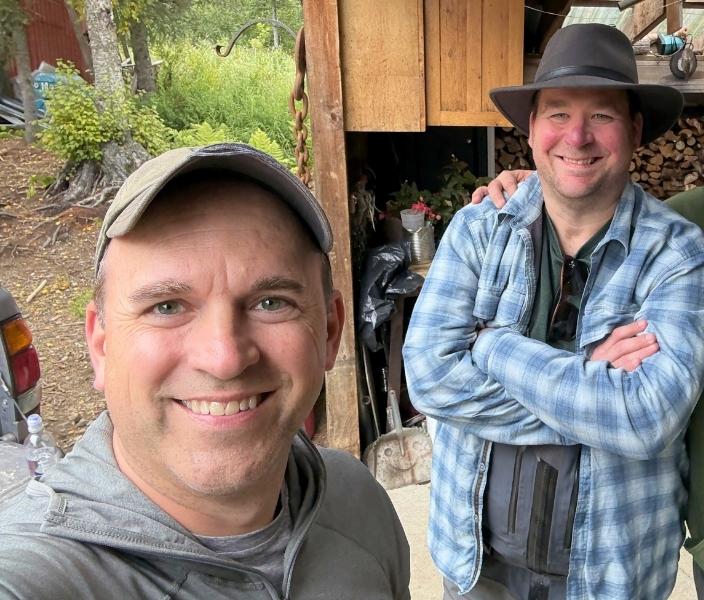
Most fly anglers dream about making one great trip out West every year. Matt Perkins and Steve Vedra aren't wired that way. These two friends from central Indiana spend months studying maps, researching obscure streams, talking with biologists and locals, and comparing satellite images, all in pursuit of trout that many anglers have never even heard of.
They're not guides. They're not retired. They both work full-time jobs, juggle family responsibilities, and somehow squeeze in adventures that have taken them from the deserts of Arizona to the mountains of California, Idaho, Montana, and even remote Alaska. Along the way they've become completely captivated by the Western Native Trout Challenge, a quest that has introduced them to some of the rarest and most beautiful trout in North America. As Steve admitted during our conversation, they're both "helplessly addicted to having these adventures."
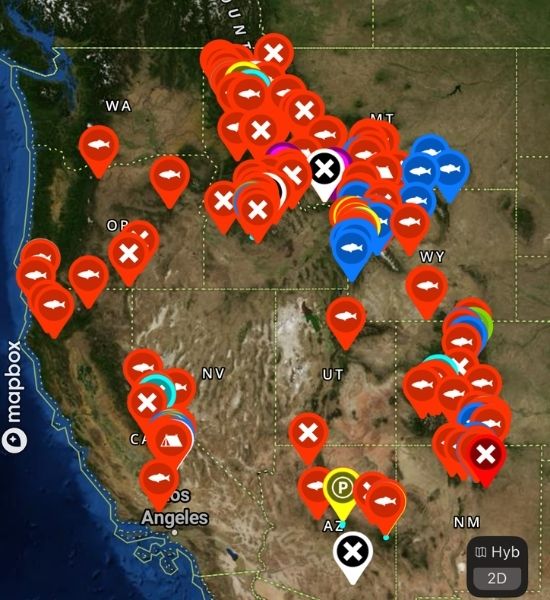
Steve and Matt have covered a lot of destinations
It Started with One Fish...
Neither of them set out to become native trout fanatics. For Steve, it began after discovering his grandfather's old bamboo fly rod, which nudged him toward learning fly fishing. A few years later he attended Clydehurst Ranch in Montana, a faith-based men's fly fishing camp that paired outstanding instructors with remarkable water. Eventually he convinced Matt to join him, and that's where everything changed.
Matt had very little fly fishing experience at the time, but catching his first cutthroat trout on Montana's Boulder River lit a fuse that hasn't gone out since. Looking back, he laughed that Steve warned him exactly what would happen.
"He told me, 'If I introduce you to this, it's going to change your priorities significantly.' I didn't believe him."
Now he believes him.
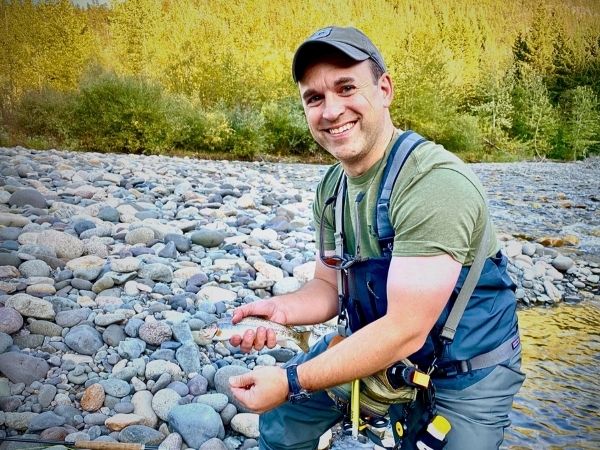
They're Not Chasing Big Trout
One thing became obvious during our conversation. These guys aren't chasing twenty-inch fish or famous rivers. They're chasing history.
Many of the trout they pursue exist only in isolated mountain watersheds where they've survived for thousands of years. Some have only recently been removed from the endangered species list, while others still occupy surprisingly fragile habitats. Steve described the experience in a way I hadn't really thought about before.
"You're kind of holding a piece of history in your hands."
That simple sentence explains why they'll happily hike for miles into places where nobody else is fishing. They aren't looking for crowds or easy access. In fact, quite the opposite. They intentionally climb into tiny headwater streams because that's often where the purest native populations still exist.
Adventure Doesn't Always Go According to Plan
Of course, the stories get even better when things fall apart.
Matt told the story of tearing his ACL while balancing across a wet log during a trip to Arizona. He had already landed the Apache trout they came for, but now he was three miles from the truck with a badly injured knee. Most of us would have called it quits. Instead, they wrapped the knee, swallowed some ibuprofen, found a walking stick, and kept fishing.
Then there was California.
Their search for Paiute cutthroat trout turned into a 33-mile backpacking trip through the Sierra Nevada, where entire sections of trail disappeared beneath enormous blowdowns. Every few minutes they found themselves removing backpacks, climbing over massive fallen trees, crawling underneath others, and repeating the process for miles. Looking back, Steve joked that they packed far too much gear, while Matt admitted they learned exactly what not to bring on the next trip.
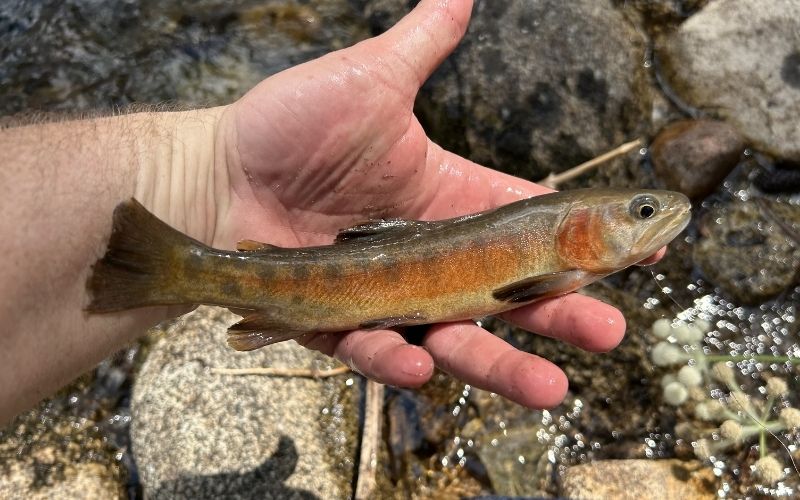
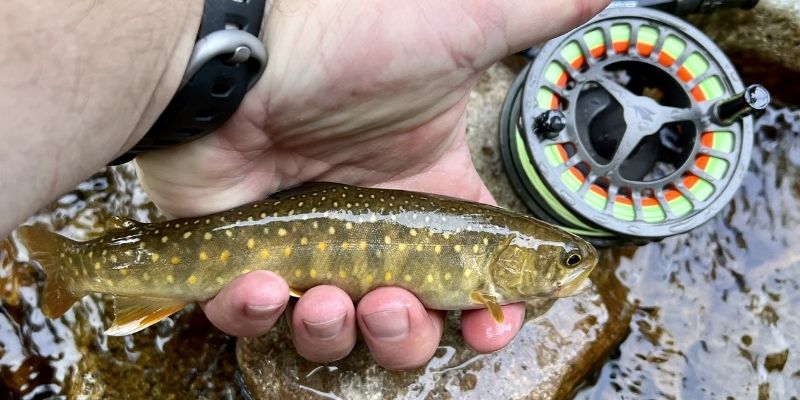
Paiute Trout
Alaska Raised the Stakes
If those adventures weren't ambitious enough, their latest DIY expedition took them into remote Alaska. Instead of booking a guided trip, they planned virtually every detail themselves, coordinating float planes, rafts, camping gear, maps, pickup locations, and enough supplies to live on the river for days.
Matt described the moment the float plane disappeared overhead after dropping them off. Suddenly it got very quiet. "We're alone." That's exactly what they wanted.
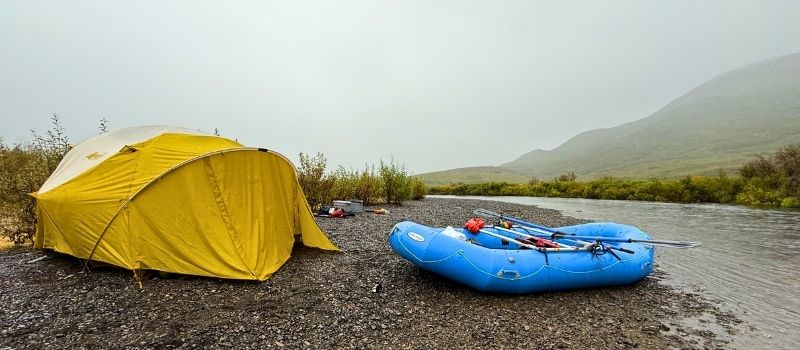
Listening to these two describe the planning process reminded me that successful DIY trips rarely happen by accident. They spend months talking with friends across the country, studying maps, watching snowpack, comparing satellite imagery, and constantly refining their plans. The fishing is certainly important, but the preparation has become part of the adventure itself.
More Than a Fishing Trip
One of my favorite takeaways from this conversation had very little to do with trout. It had everything to do with friendship.
Steve and Matt have naturally settled into different roles on these trips. Steve plans fishing strategy. Matt thinks through gear, camp logistics, and all the little details that can save the day when something breaks miles from civilization. Together they've figured out that successful DIY adventures aren't about knowing everything. They're about preparing well, trusting your partner, and embracing whatever surprises the backcountry throws at you.
As Steve put it, they don't want to wake up twenty years from now wishing they'd taken these trips while they still could. That philosophy resonates whether you're chasing native trout or simply looking for your next adventure.
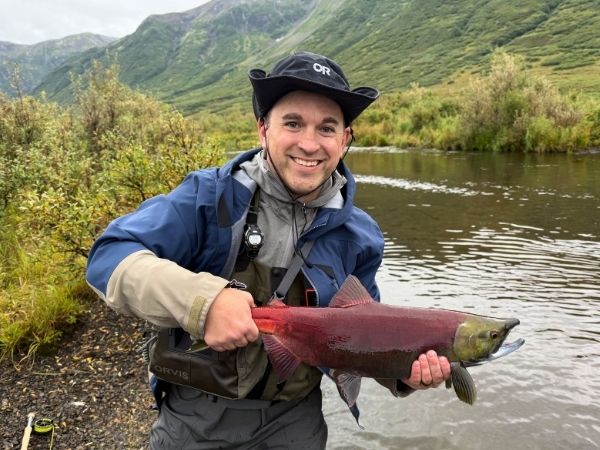
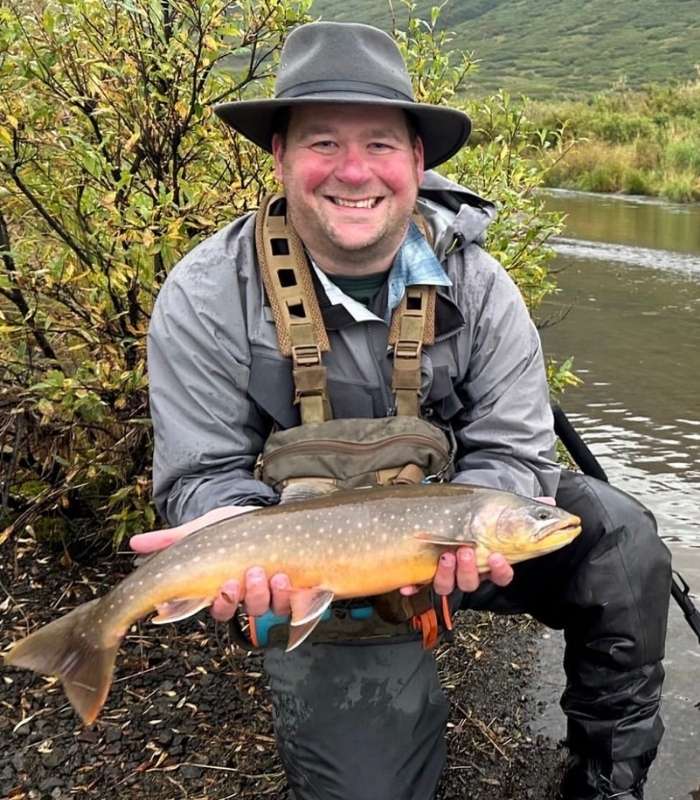
Matt with a nice one
Listen to the Full Episode
If you've ever dreamed about planning your own DIY Western fly fishing adventure, completing the Western Native Trout Challenge, or simply hearing some incredible stories from anglers who have learned by doing, I think you'll really enjoy this episode with Matt Perkins and Steve Vedra.
There are plenty more stories—including Alaska, Idaho, Arizona, California, and the planning secrets that make these trips possible—that we simply couldn't fit into one blog post. Give the episode a listen, and you may find yourself studying maps of remote blue lines before it's over.
Going Ninja: Hunting Giant Trout on the South Island of New Zealand