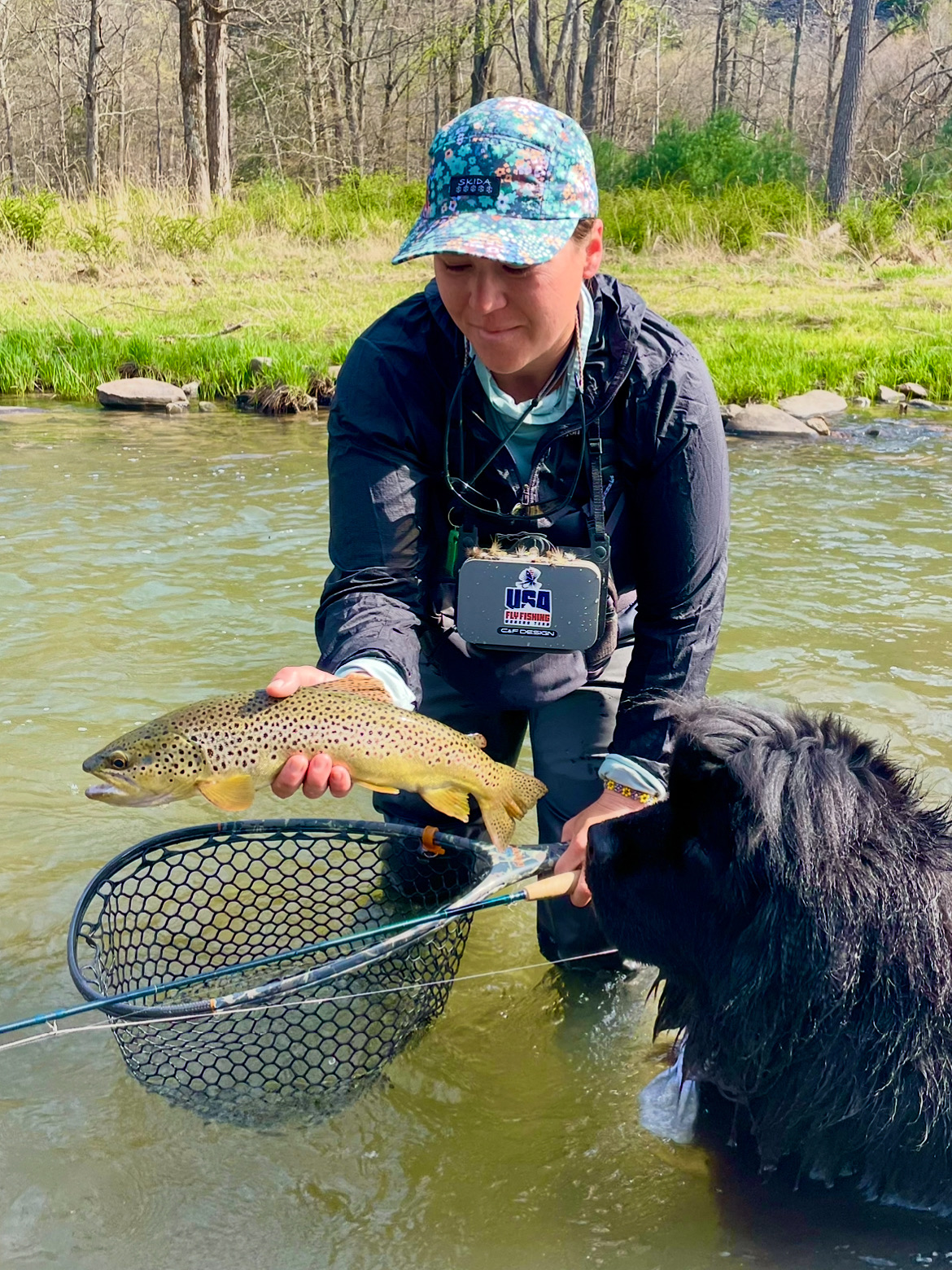
Cracking the Code on Penns Creek: Lessons from World Champion, Tess Weigand
If you’re looking for Penns Creek fly fishing tips, or wondering how to approach one of the most technical trout streams in the country, this episode of the Destination Angler Podcast is a great place to start. I sat down with world champion angler and Team USA captain Tess Weigand to talk about what makes Penns Creek so challenging—and so rewarding—from reading complex currents to dialing in your drift. Whether you’re planning a trip to central Pennsylvania or just want to become a more thoughtful angler, Tess shares practical insights and stories that will change the way you fish technical water.
Listen to the full episodes
👉 Kicking Butt on Penns Creek Part 1 with Tess Weigand
👉 Cracking the Code on Penns Creek, Part 2 with Tess Weigand
A Creek That Will Humble You
Some rivers are generous. Others make you earn it. Penns Creek is firmly in the second camp.
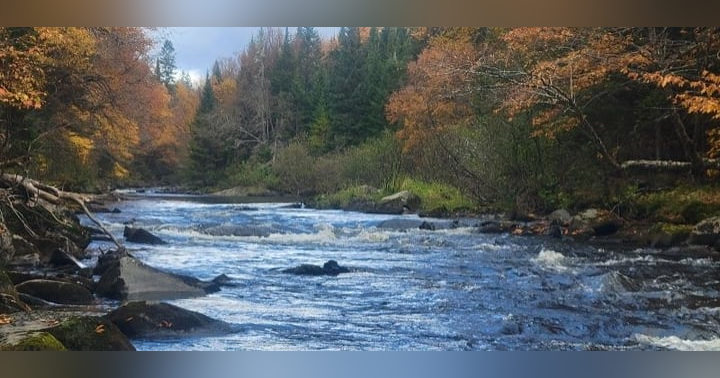
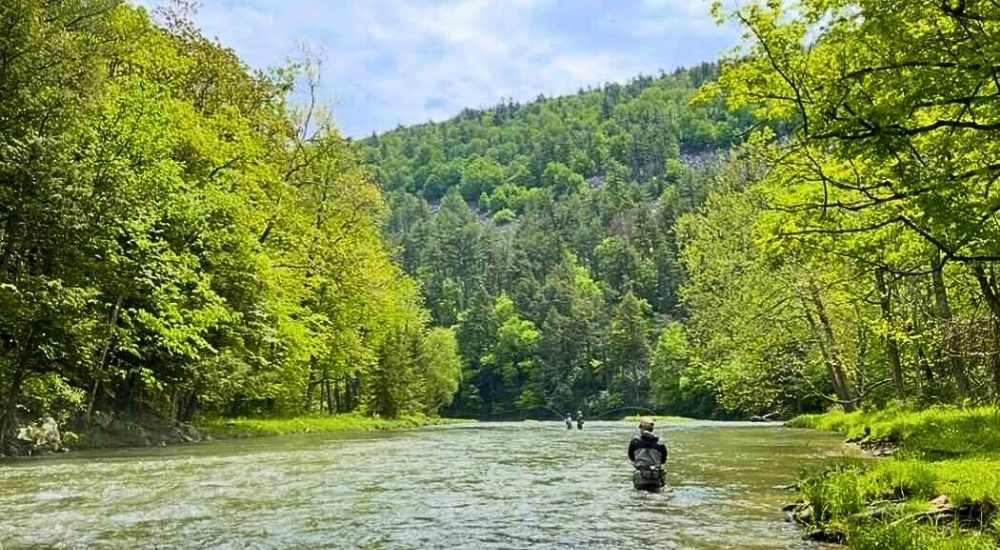
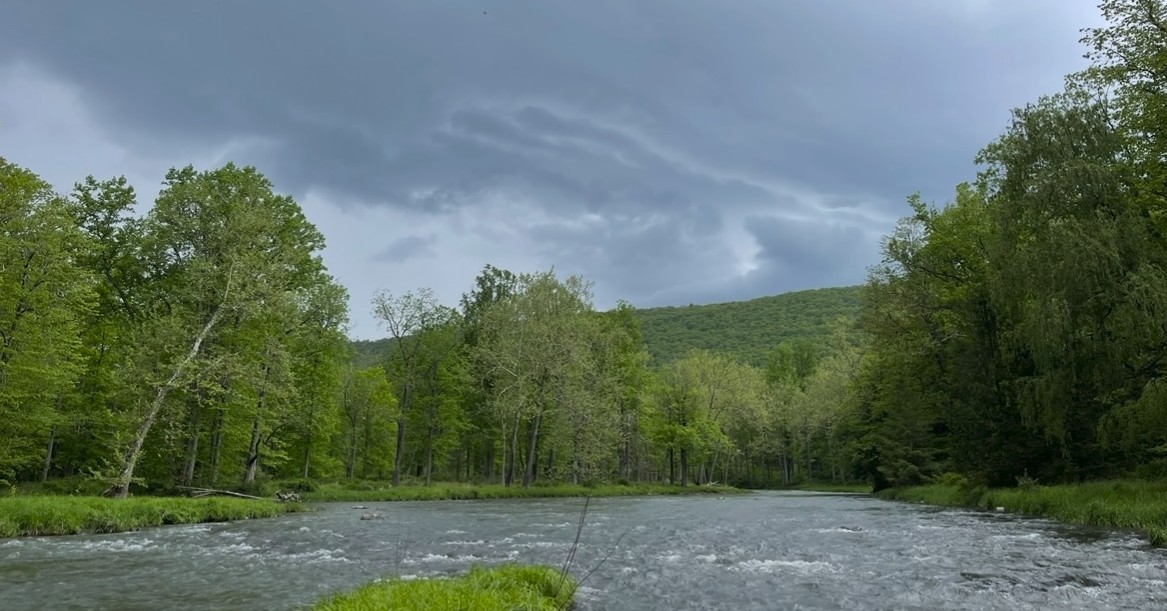
Flowing through the ridges of central Pennsylvania, Penns has that classic limestone feel—clear, bug-rich, and deceptively calm. But step into it, and you realize quickly this is not a place for shortcuts. The currents are complex, the trout are educated, and the margin for error is razor thin. It’s the kind of river that exposes bad habits in a hurry.
When I sat down with Tess Weigand, I expected a conversation about one of the most famous trout streams in the country. What I didn’t expect was how quickly we got into the mindset it takes to fish a place like this—and why even the best anglers in the world don’t take it lightly.
“It’s intimidating,” says Tess. That line stuck with me, especially coming from someone who has competed—and won—on the world stage.
Meet Tess (And Why She Downplays It All)
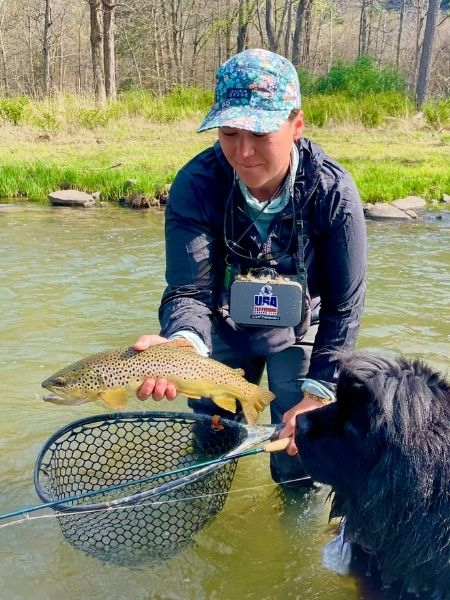
If you’re not familiar with Tess Weigand, she’s a world champion angler, Team USA Captain, guide, and one of the most accomplished fly fishers in the game today. But you wouldn’t know it from the way she talks about herself.
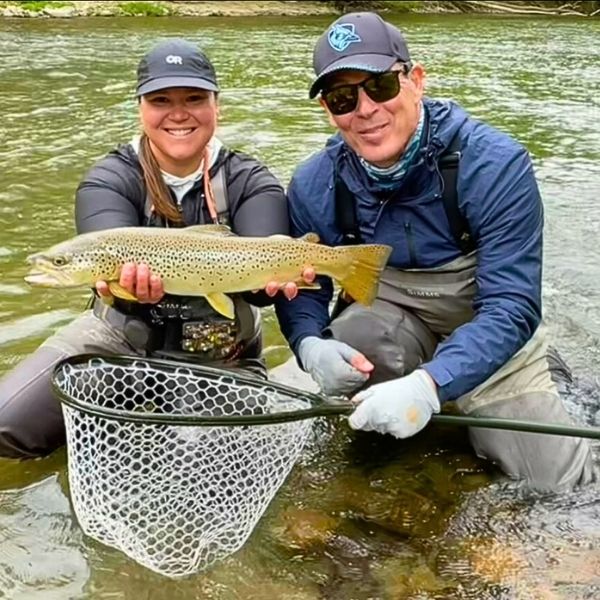
At one point, I mentioned the reputation of the river, and she laughed it off. “No, I feel like those are maybe ex-boyfriends describing me, actually.”
Why Penns Creek Is So Hard (and So Good)
Penns Creek has earned its reputation as one of the most technical trout streams in the country. It’s not just the fish—it’s the combination of everything working together. The bug life is prolific, which means trout can afford to be selective. The water is varied, with long slicks, tricky seams, and subtle transitions that make a perfect drift tough to achieve. As Tess put it, “That is part of the solution and the problem.”
In other words, the very things that make Penns Creek special are also what make it so challenging. There’s always food in the system. There’s always something happening. And because of that, the fish stay in their feeding lanes and can afford to be very selective.
For anglers, that means slowing down, paying attention, and fishing with intention. You can’t just cover water and hope for the best here. You have to solve the puzzle.
Falling, Failing, and Figuring It Out
We also got into something every angler can relate to—wading, and more specifically, not always doing it gracefully. Penns is difficult wading. Big, chunky rocks the size of your mother’s old TV set litter the bottom. Rumor has it Tess knows every rock in the river. “Probably because I’ve fallen off of them,” Tess quipped.
It’s a funny line, but it gets at something deeper. Penns Creek is not a forgiving place, whether you’re talking about footing or fishing. You’re going to make mistakes. You’re going to blow drifts, miss takes, and spook fish you didn’t even know were there. But that’s part of the process.
The anglers who cracks the code on Penns—even just a little—are the ones who are willing to stick with it. To learn from each misstep. To adjust instead of getting frustrated. Over time, those small adjustments start to add up.
Tess’s Technical Tips for Tough Water
One of the things I really appreciated about this conversation is that Tess doesn’t just talk philosophy—she gives you tips you can actually use the next time you’re on the water. Especially on a place like Penns Creek, where small adjustments make a big difference.
Here are a few takeaways that stood out:
- Slow down and really observe first
Before making a cast, take a minute to watch. Look for subtle rises, feeding lanes, and what bugs are actually on the water—not just what you think should be. - Your drift matters more than your fly
Tess emphasized that a perfect drift will outfish the “perfect fly” almost every time. If you’re getting drag, fix that before you start switching patterns. - Break the water into small pieces
Instead of trying to fish an entire run, focus on specific seams, current transitions, or micro-lanes where fish are likely holding. - Adjust constantly
Competition fishing has trained her to make small, frequent changes—depth, angle, weight, fly size—rather than sticking with something that isn’t working. - Get comfortable fishing close
Not every fish is 40 feet away. Some of the best opportunities are right in front of you, especially in technical water where long casts can actually hurt your drift. - Confidence matters
Once you commit to a fly or a tactic, fish it with intention. Half-hearted presentations rarely get results.
None of these are revolutionary on their own—but put them together, and you start to fish with a lot more purpose. And on a river like Penns Creek, that’s often the difference between a frustrating day and one you won’t forget.
The Competition Mindset (Without the Pressure)
One of the most interesting parts of our conversation was hearing Tess talk about competition angling and how that mindset carries over into everyday angling. Her team made history, “We are the first country in the Women’s World Championship to beat the previously undefeated Czech Republic.”
That’s a huge accomplishment. But what stood out wasn’t the result—it was how she got there. Competition angling forces you to think differently. You’re constantly evaluating water, adjusting tactics, and focusing on efficiency. That same approach works on Penns Creek.
It’s not about having the perfect fly box or making hero casts. It’s about asking the right questions. Where are the fish likely holding? What are they feeding on? Is my drift actually natural? And if not, what needs to change?
Most of us don’t fish that way consistently. But on Penns, you almost have to.
Personal Gold
Tess also shared a moving story about her individual gold medal, which came down to her final venue on Hebgen Reservoir—a place she described as a bit of a nemesis. “My worst nightmare was having Hebgen as my last venue,” she admitted, knowing “it's the one venue that could have blanked me.”
But with her family there and her close friend Andy serving as the sector judge, the moment carried even more weight. What followed was a performance that flipped the script entirely. You won’t believe what happened, and you could hear the emotion in her voice—this wasn’t just a win, it was overcoming doubt, history, and pressure all at once. One of those rare moments where everything comes together on the water, and it means more because of how easily it could have gone the other way.
Why Penns Stays With You
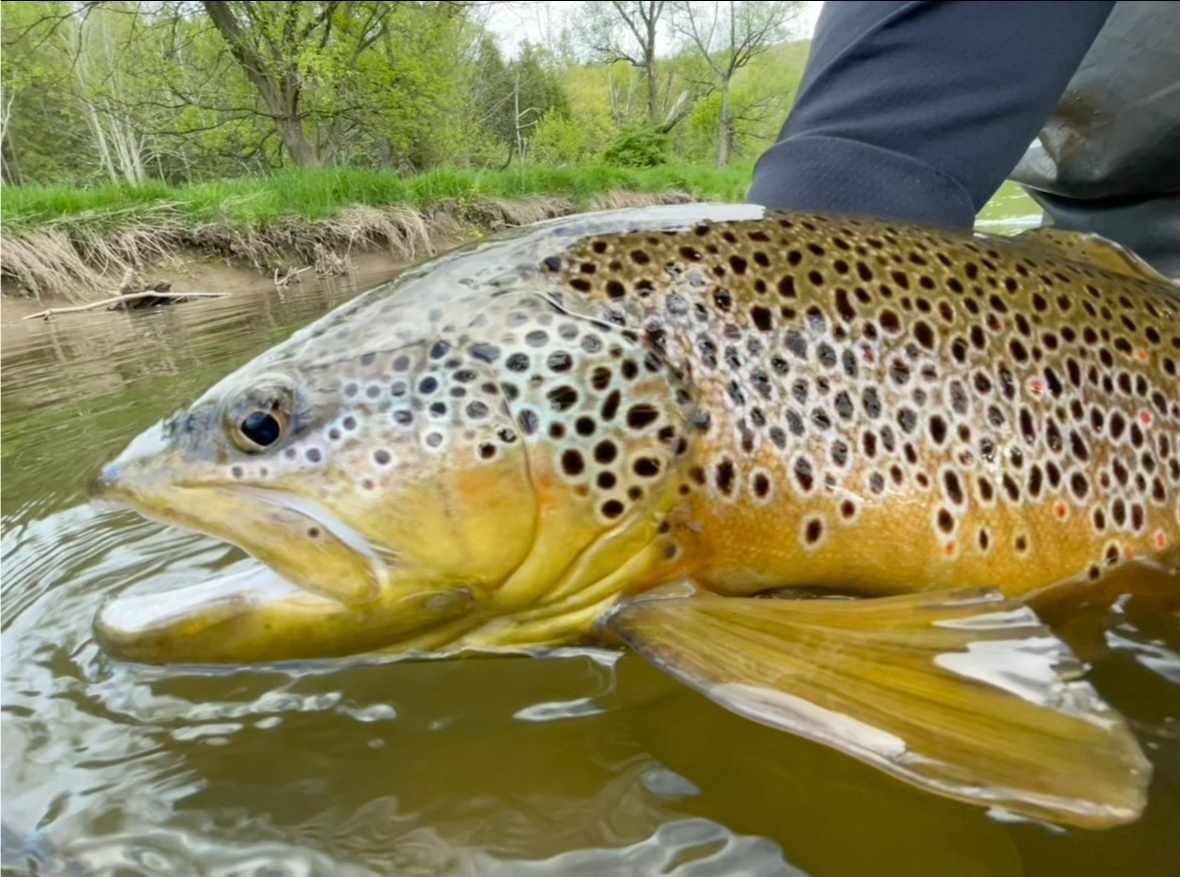
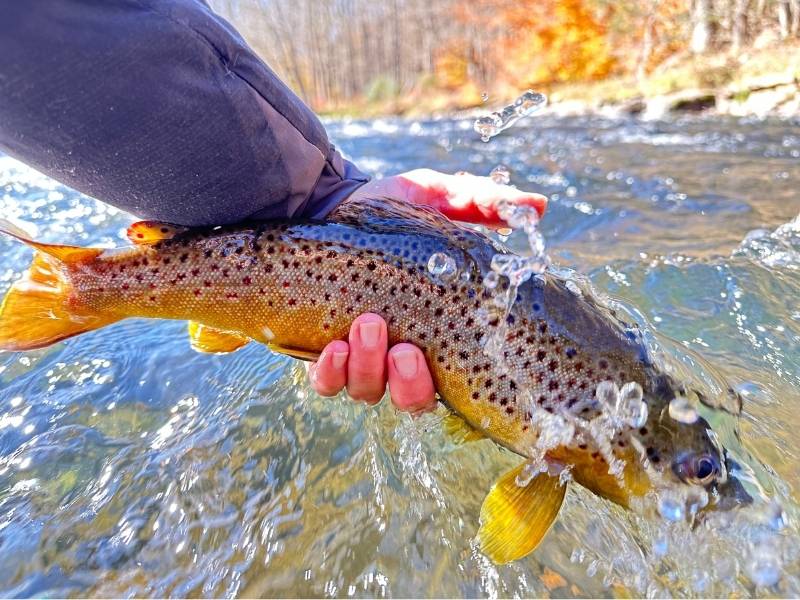
There’s something about Penns Creek that lingers long after you leave. Maybe it’s the challenge, or maybe it’s the moments when things finally come together—a clean drift, a confident rise, a great eat, and one in the net.
More often than not, though, it’s the near misses. The fish that refused. The drift that was almost right. The feeling that you were just one small adjustment away. That’s what keeps people coming back.
Penns doesn’t hand out easy wins, but it does offer something better—a reason to keep improving.
Listen to the Full Episodes
If you want to hear more from Tess—how she approaches technical water, what she looks for first, and how she adapts when things aren’t working—you’ll want to check out two full episodes.
Listen to the full episodes with Tess Weigand on the Destination Angler Podcast
👉 Kicking Butt on Penns Creek Part 1 with Tess Weigand
👉 Cracking the Code on Penns Creek, Part 2 with Tess Weigand
It’s a great conversation about one of the most iconic trout streams in the country, and it just might change the way you think about your next day on the water.
How to Plan a DIY Alaska Fly Fishing Trip: Finding Remote Rivers with Oliver Ancans