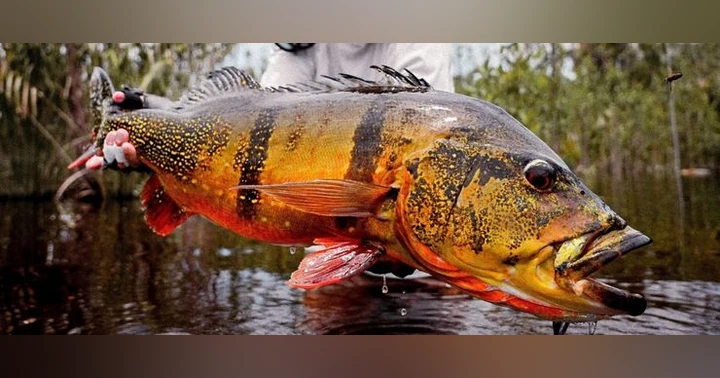
Exploring the Driftless: Big Trout, Small Streams
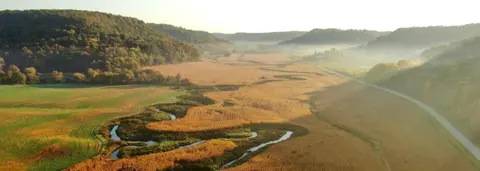
If you’re searching for Driftless fly fishing, here’s the hook: this is a place where 20-inch trout live in creeks you can step across. In this episode, John van Vliet and Catherine Smith break down how it happens—and how to find them—across the spring creeks of Wisconsin, Minnesota, and Iowa.
👉 Listen to the full episode here:
https://www.destinationanglerpodcast.com/into-the-driftless-region-with-john-van-vliet-and-catherine-smith/
Our Destination is… Smaller Than You Think
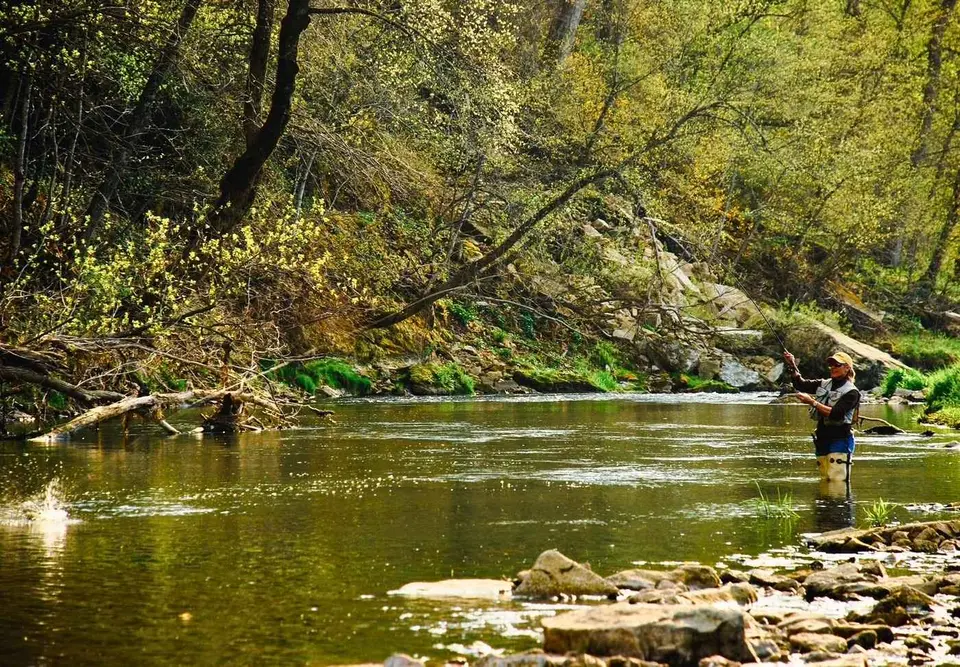
Our destination is the legendary spring creeks of the Driftless Area, where the first thing that hits you is the size of the water. You drop into a valley, look down at a narrow ribbon of clear current, and think, there’s no way that holds anything big.
That’s your first mistake.
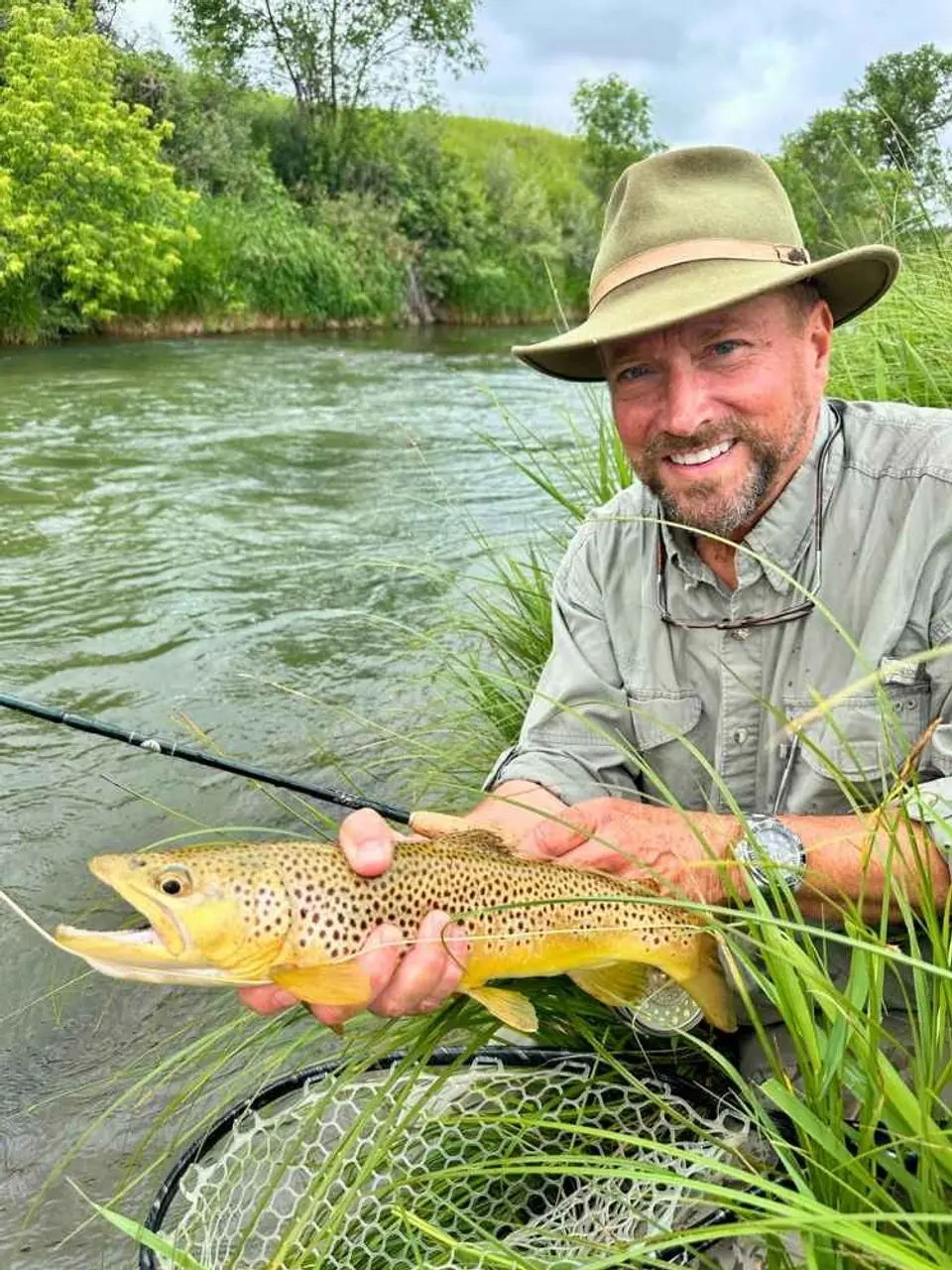
John has spent more than 40 years proving that assumption wrong. He’s fished nearly every corner of the Driftless, often walking miles into water most anglers never touch. As he told me, “The Driftless is just an unsung fishing destination… people on the coasts have no idea.”
What they really don’t know is what’s living in those streams.
The Lie of “Small Water”
In most places, small water means small fish. In the Driftless, that rule gets flipped on its head.
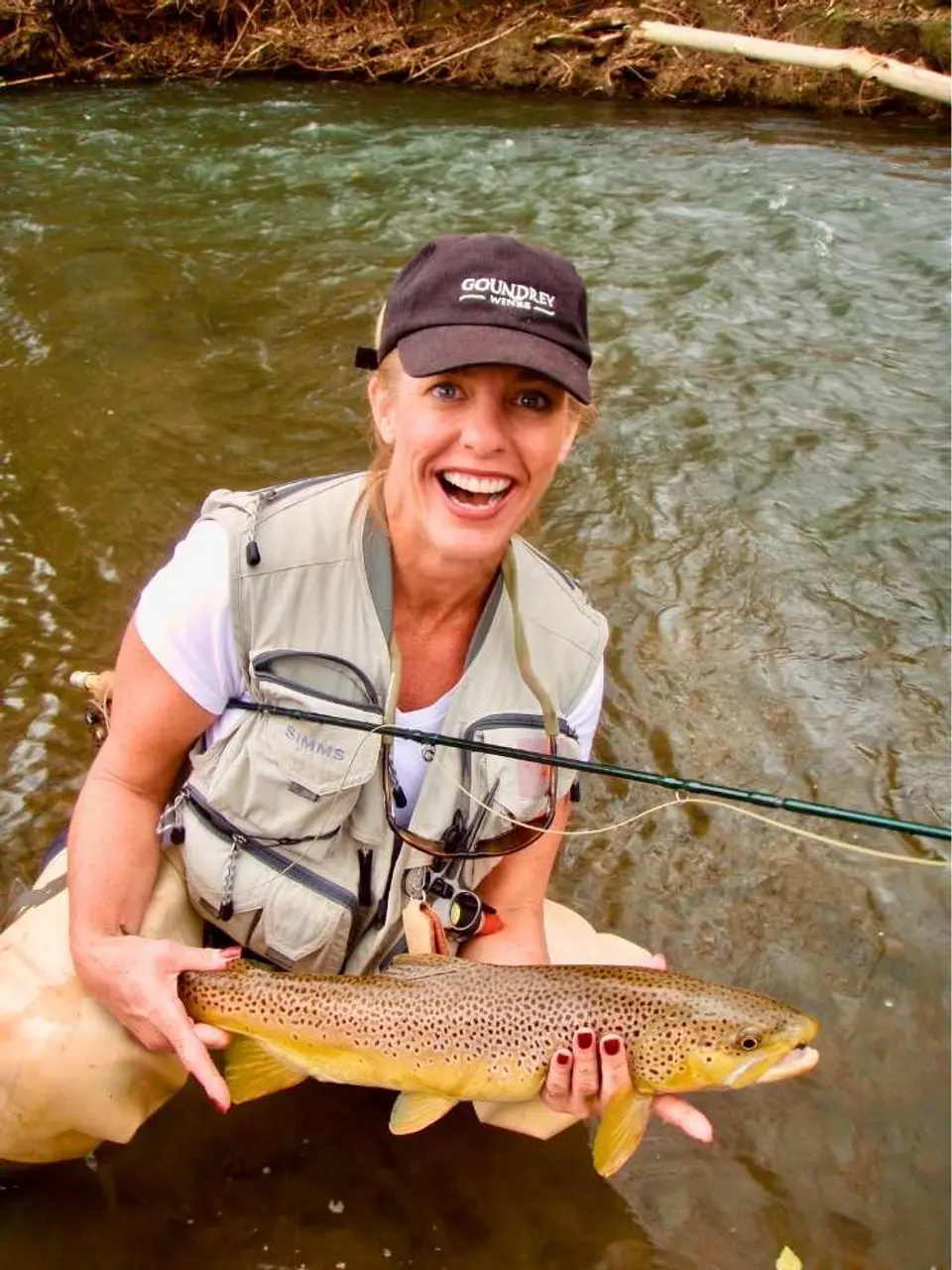
Catherine experienced that moment when everything changes—the kind of fish that resets your expectations for good. “It was the largest trout I’ve ever caught… in Iowa,” she said. Not out West. Not in some famous tailwater. In a narrow Midwestern creek.
A 24-inch brown trout. And here’s the part that matters: it wasn’t a fluke.
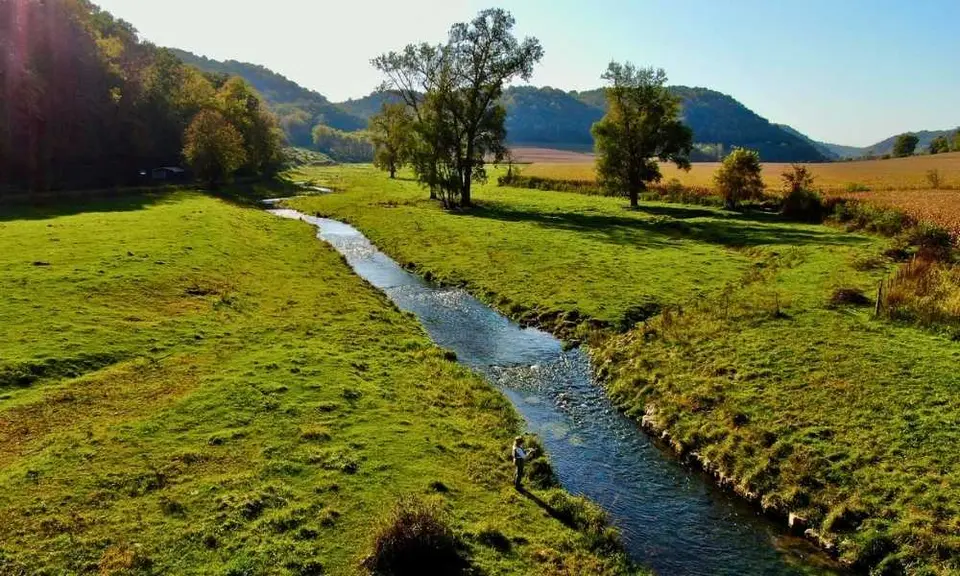
These fish are in there because the Driftless is built for them. Cold, spring-fed water. Stable flows. Undercut banks that create hidden structure. Deep slots that don’t look deep until you really study them. It’s not obvious water—but that’s exactly why those fish survive.
Where the Big Fish Actually Live
If you want to find bigger trout in the Driftless, you have to start thinking differently about water. It’s not about casting to every run or covering every inch. It’s about identifying the places most people overlook.
The biggest fish tend to hold in deeper sections, subtle bends, and undercut banks that don’t scream “fish here.” John made it clear that you shouldn’t be fooled by size alone. Even the smallest streams can hold serious fish, especially during certain times of year when larger browns move into skinny water.
And then there’s the biggest mistake most anglers make—John calls it "decoy water".
“There are just enough rising fish on the decoy water that people don’t want to walk away from it. You have to put some distance between you and the bridge.” John said.
Don't be fooled! The anglers who consistently find bigger trout are the ones who leave the obvious water behind. They walk past the easy access points, past the bridges, and into stretches where pressure drops off. That’s where the equation changes.
The Shot You Don’t Get Back
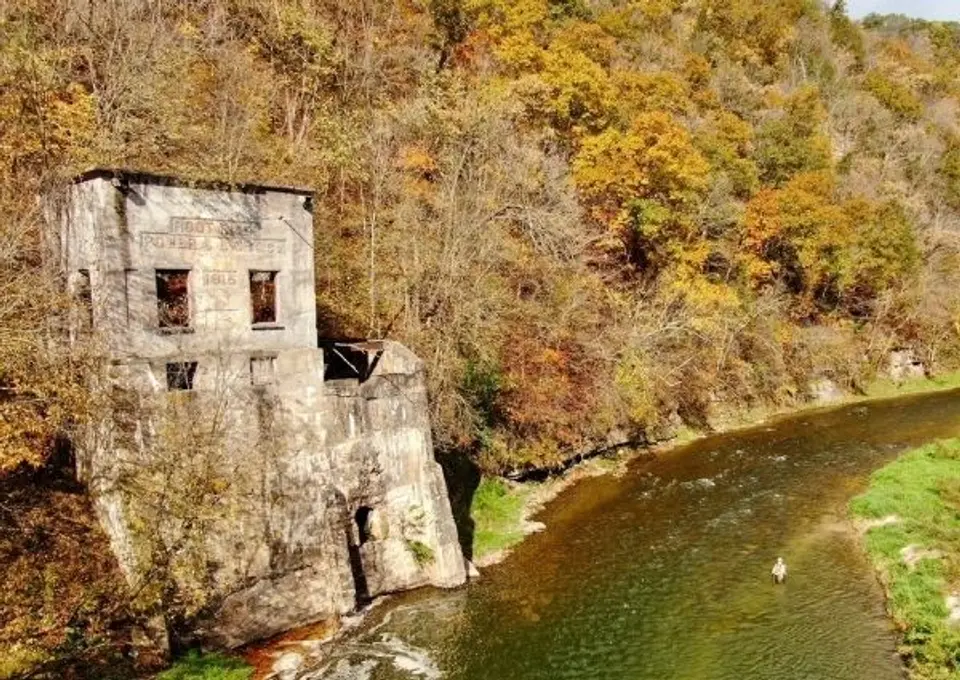
Fishing for bigger trout in the Driftless is a different game entirely. These fish aren’t reckless. They’ve seen bad drifts, heavy footsteps, and sloppy presentations for years. You might get one good shot. That’s it.
Which is why everything matters—your approach, your position, your first cast. Long leaders, light tippet, and a drag-free drift aren’t suggestions here. They’re the price of admission.
At the same time, John emphasized flexibility. “You have to try all the tools in your toolbox… don’t get locked into one technique,” he said. Sometimes that big fish eats a tiny dry fly. Sometimes it’s a nymph drifted slowly through a deep slot. And sometimes it’s something unexpected entirely.
The key is paying attention—and adjusting before the opportunity is gone.
When Big Fish Don’t Make Sense
Part of what makes the Driftless so compelling is how often it defies logic. You can spend hours picking apart a stream, convinced there’s nothing there, only to have a fish materialize out of nowhere.
That unpredictability is part of the appeal. It’s also what keeps people coming back.
Because once you realize that a 20-inch trout might be sitting under a bank you almost stepped over, you start seeing every piece of water differently. You slow down. You look closer. You make better decisions.
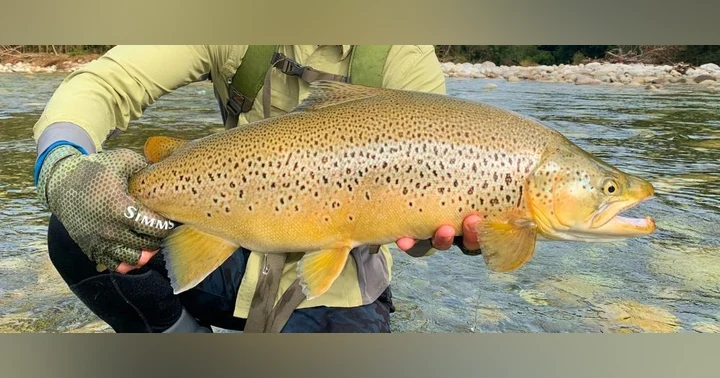
And every now and then, it pays off. Here's Catherine's 24" Iowa brown trout.
The Story You Didn’t Expect
Of course, not every story in this episode is about big trout. Some of the best ones have nothing to do with fish at all.
John shared a moment from a solo trip out West—parked beside a quiet trout lake, coffee in hand, watching what he thought was a storm roll in. But something felt off. The air looked strange. His coffee tasted… dusty.
“I had no idea what had happened… I thought it was a nuclear holocaust,” he said.
It turned out to be ash from the Mount St. Helens eruption, drifting down hundreds of miles away. The lake turned gray. The sky changed. And just like that, a simple day of fishing became something unforgettable.
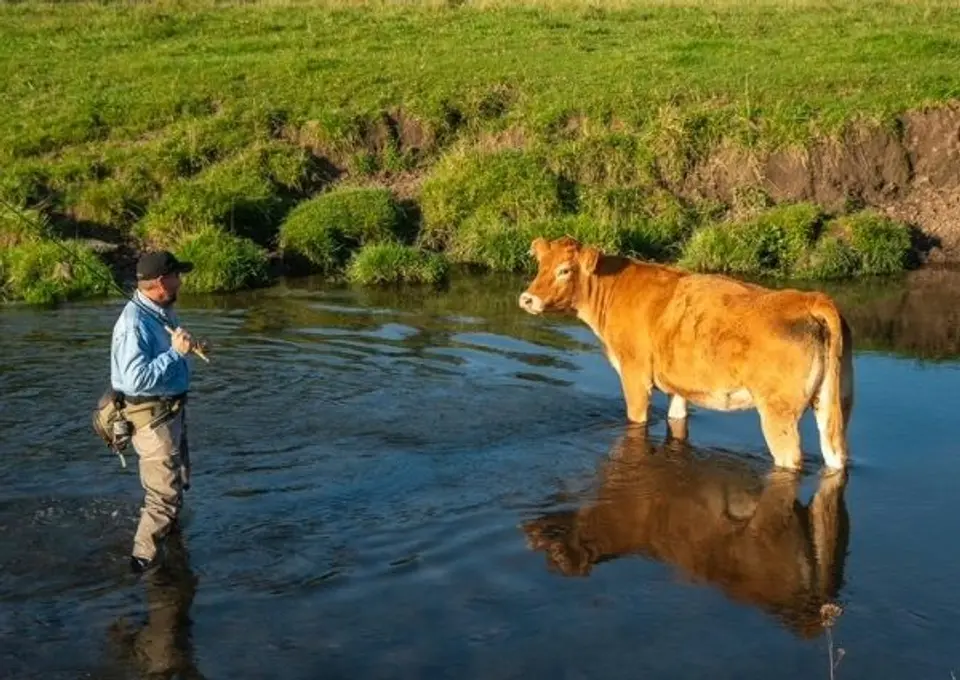
That’s the thing about chasing fish long enough. You go looking for trout—but you end up with stories...like meeting a cow mid-stream.
Listen to the Full Episode
This conversation with John van Vliet and Catherine Smith goes deep into the Driftless—how to find big trout, how to approach small water, and why this place keeps surprising even the most experienced anglers.
👉 Listen to the full episode here:
https://www.destinationanglerpodcast.com/into-the-driftless-region-with-john-van-vliet-and-catherine-smith/
If you’ve ever wondered how big trout end up in small streams—or how to actually catch them—this is one you don’t want to miss.
And stick around to the end… because in the Driftless, the biggest fish are rarely where you expect them.
Going Ninja: Hunting Giant Trout on the South Island of New Zealand