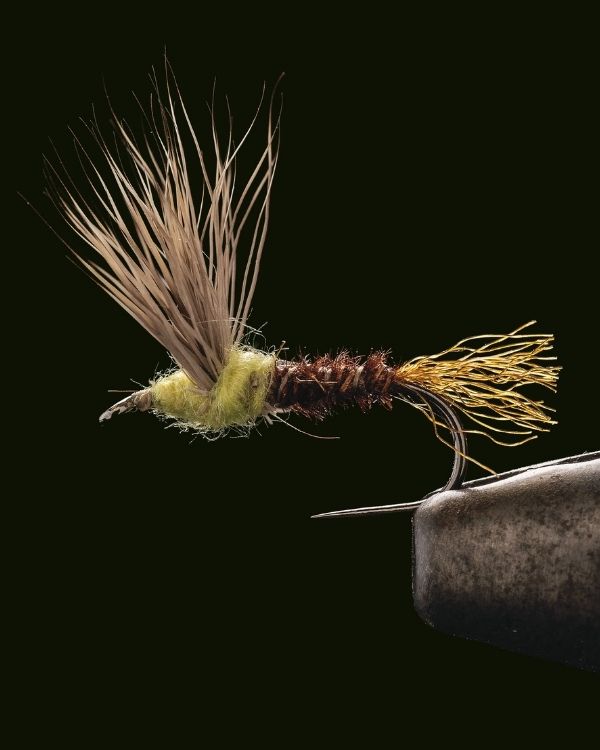
Fly Fishing Simplicity in Yellowstone Country with Craig Matthews
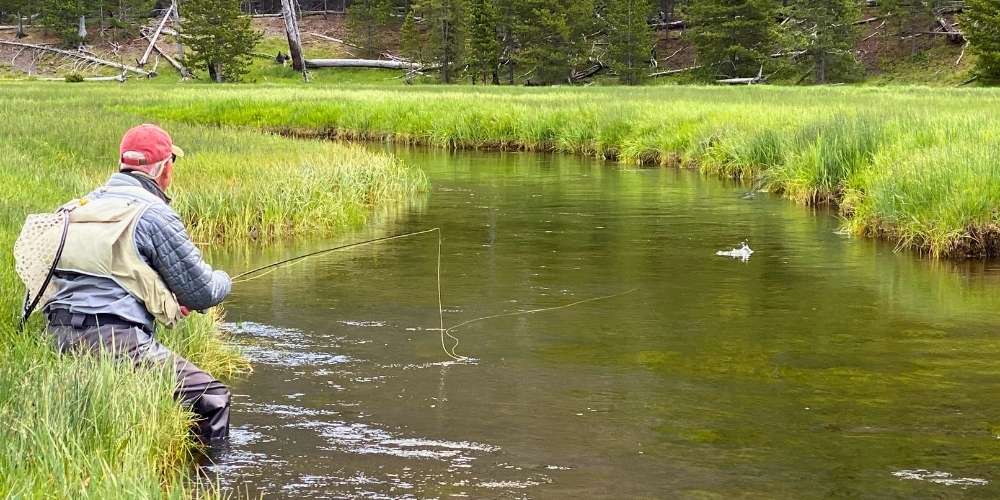
In Part 2 of our Yellowstone fly fishing series, angling legend Craig Mathews explores simplifying your fly selection, effective winter fishing tactics, and the origins of iconic patterns like the Sparkle Dun. This episode blends practical fly fishing advice with rich storytelling from decades on the water in Yellowstone Country.
Fly Fishing Simplicity in Yellowstone Country with Craig Matthews
Our destination is Yellowstone Country with angling legend Craig Mathews.
If Part 1 felt like stepping into the river, Part 2 feels more like sitting down after the hatch with a cup of coffee—or maybe something stronger—and talking about what actually matters. Not just what works, but why it works, and how much of fly fishing we tend to overcomplicate.
Craig keeps coming back to one central idea: simplicity. Not as a shortcut, but as something earned over time. The kind of simplicity that comes from seeing enough fish, enough mistakes, and enough patterns to finally strip things down to what really matters.
“You really don’t need that many flies if you understand what you’re trying to imitate.”
That line sticks, especially if you’ve ever stood midstream second-guessing every fly in your box. Craig’s new book, Pheasant Tail Simplicity, isn’t about going backward—it’s about getting clearer. Fewer flies, more intention, and a deeper understanding of what trout are actually doing beneath the surface.
Winter Fishing: Where the Edges Are
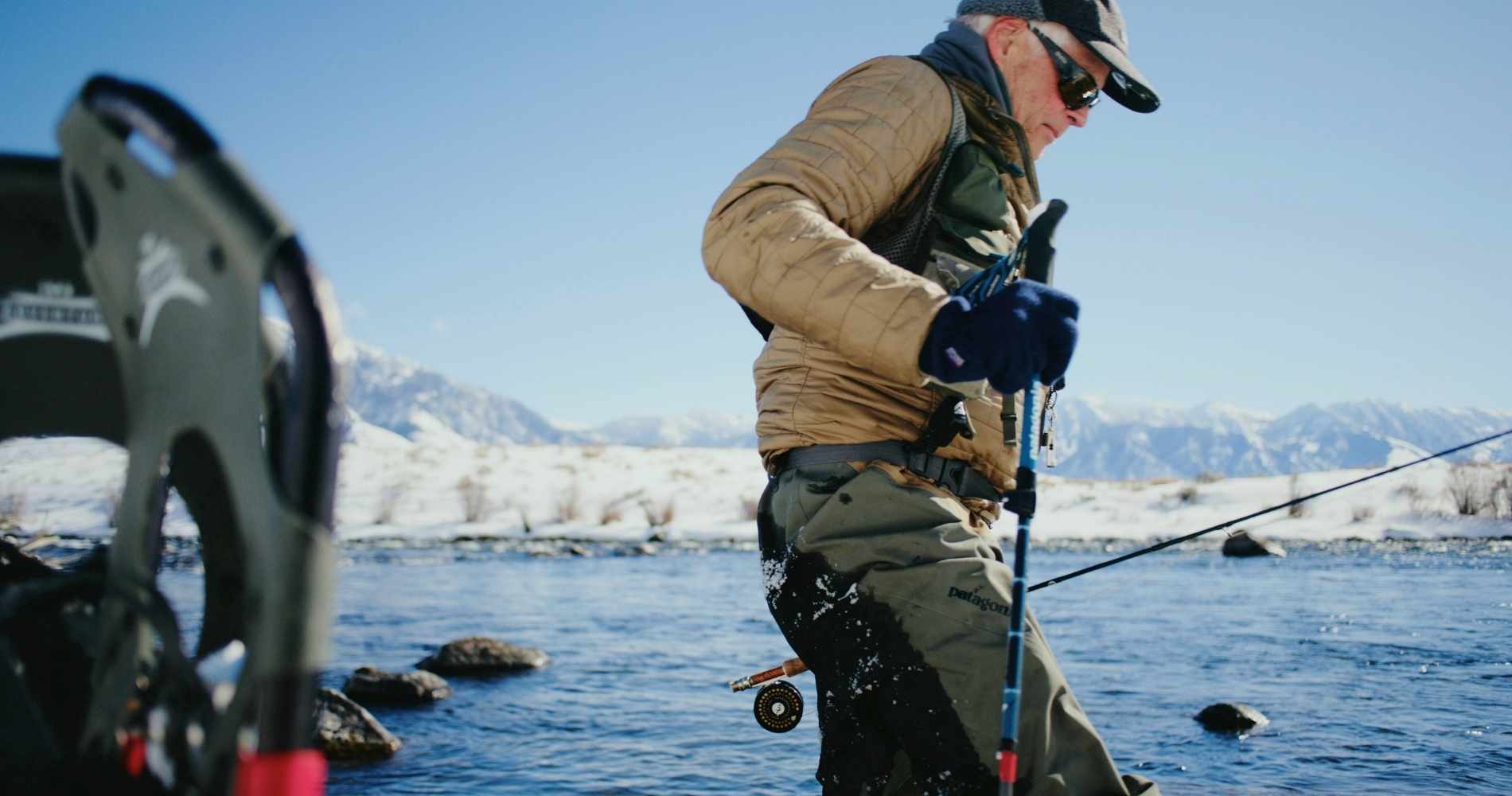
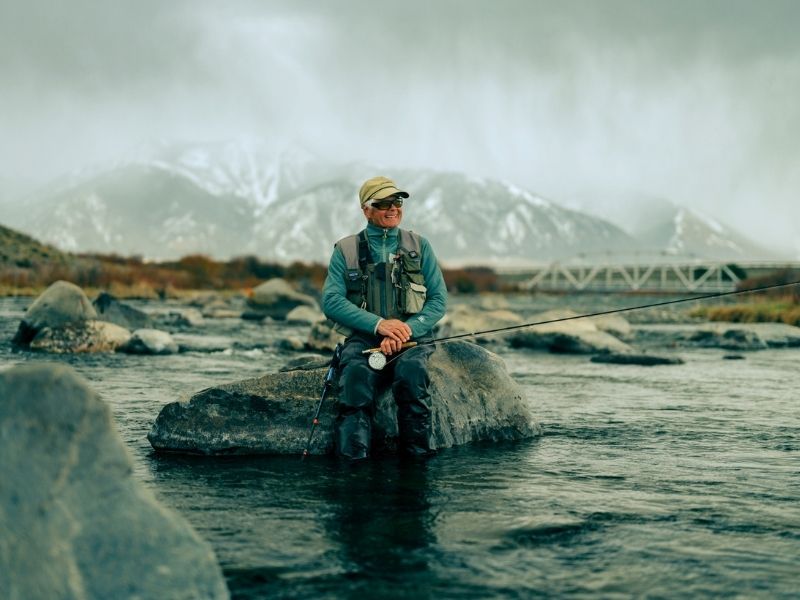
The conversation naturally drifts into winter fishing, a season most anglers tend to write off. Craig doesn’t. If anything, he leans into it, describing a quieter, more deliberate version of the sport.
The crowds disappear. The river slows down. And the fish, while less aggressive, are still very much there if you adjust your approach. “The fish are there… and if you adjust, they’re very catchable.”
It’s less about covering water and more about reading it carefully—slower presentations, better drifts, and a willingness to be patient. You can almost see it as he describes it: low winter light, steam rising off the river, long quiet stretches where every take feels earned.
What sounds, at first, like a tougher version of fishing starts to feel like a better one. Less noise. More connection. A different kind of rhythm that rewards anglers willing to slow down and pay attention.
The Sparkle Dun—and Seeing What’s Real
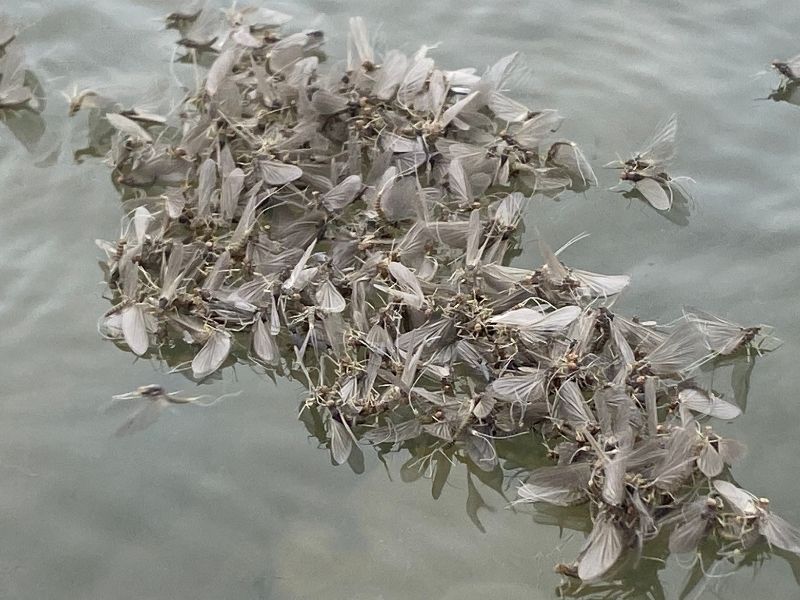
From there, the conversation shifts into one of those stories that reminds you how much of fly fishing innovation comes from simply paying attention. “We were laying in the grass and watching these huge fish and what they were taking and how they were taking the emerger”
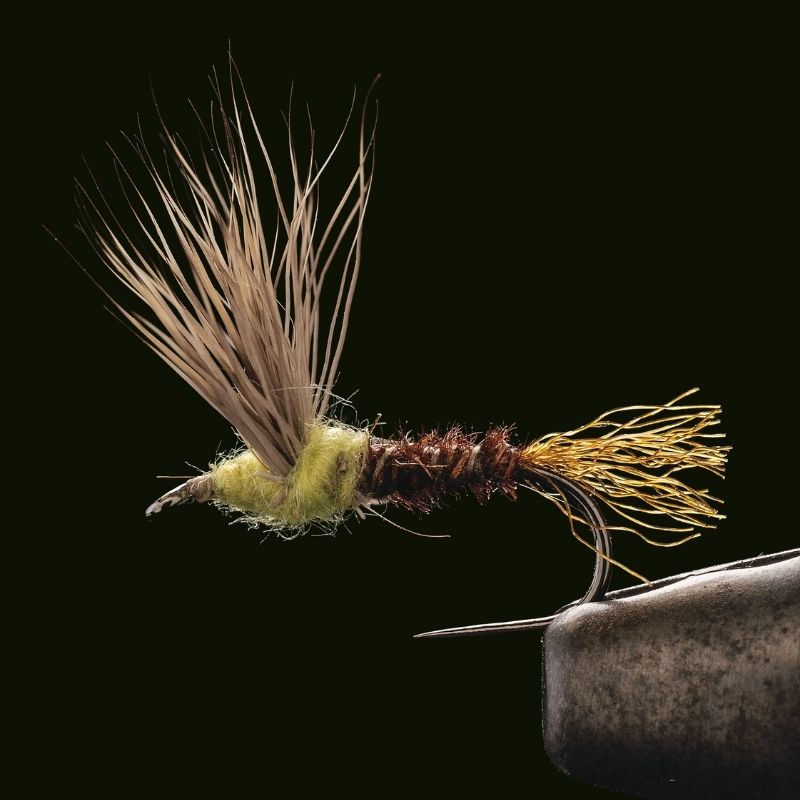
And this is where Craig really leans in—walking through the origins of the Sparkle Dun and how a then-uncommon material, Zelon, played a role in solving a very specific problem on the water.
“We were trying to match what the fish were actually eating… not what we thought they should be eating.” It’s not just a “we invented a fly” story. It’s about frustration, experimentation, and finally seeing what others were missing. “We were searching for a material that had sparkle, but yet we could dye the shades that we wanted to dye. And I came upon this material called Zelon.”
He unpacks how traditional patterns weren’t quite lining up with what trout were keying on, and how that small gap—barely noticeable at first—ended up changing everything. The way he tells it, you can feel the trial and error, the curiosity, and that moment when it finally clicks.
It’s the kind of story that makes you rethink what you’re looking at the next time you see a rise.
Beyond the River: Stories and Stewardship
As the episode opens up, the conversation moves beyond tactics and patterns into something broader—how fly fishing intersects with culture, people, and conservation.
Craig shares stories of crossing paths with names like Keith Richards, Tom Brokaw, and Yvon Chouinard, but they don’t land as name-drops. They feel like natural extensions of a life spent in and around rivers, where different worlds occasionally overlap.
That thread leads naturally into conservation and the origins of 1% for the Planet, a movement dreamed up by Craig and Patagonia Founder, Yvon Chouinard, rooted in the idea that those who benefit from the resource should help protect it. “It’s about giving back to the resource,” says Craig.
There’s nothing forced about it. It comes across as a natural evolution of someone who has spent a lifetime watching these waters change and understanding what’s at stake. And now you won’t believe the enormous impact of 1% for the Planet as told by Craig.
What You Carry Forward
By the end of this conversation, you’re not walking away with a list of must-have flies or rigid tactics. What sticks is something quieter but more useful—a shift in how you approach the water.
Fish fewer flies, but understand them better. Pay closer attention to what’s actually happening. Adjust your presentation, impart natural action, and slow down enough to notice the details most people miss. There’s a confidence in that approach, and it feels accessible. Not because it’s easy, but because it’s grounded in something real.
And maybe that’s the takeaway. Not just how to fish Yellowstone, but how to think about fishing wherever you are—whether it’s a famous river out West or a quiet stretch closer to home.
Listen to the Full Episode
This is Part 2 of our conversation with Craig Mathews, and there’s a lot more in the full episode—stories, insights, and moments that are better heard in his own words.
🎧 Head over to the Destination Angler Podcast and listen to the full episode to experience Yellowstone Country through one of fly fishing’s most thoughtful voices.

Fly Fishing Yellowstone’s Firehole River: A Strange, Steaming Puzzle