Fly Fishing Yellowstone’s Firehole River: A Strange, Steaming Puzzle
If you’ve ever wondered what makes fly fishing Yellowstone’s Firehole River so different, this episode offers a front-row seat. In Part 1, Craig Mathews shares what makes the Firehole, Gibbon, and Upper Madison such fascinating trout waters—from geothermal features and overlapping hatches to selective trout, grizzly country, and the unique challenges of fishing in Yellowstone National Park. If you’re interested in Yellowstone fly fishing, Firehole River hatches, or learning how to fish technical trout water more effectively, this conversation is packed with insight and story.
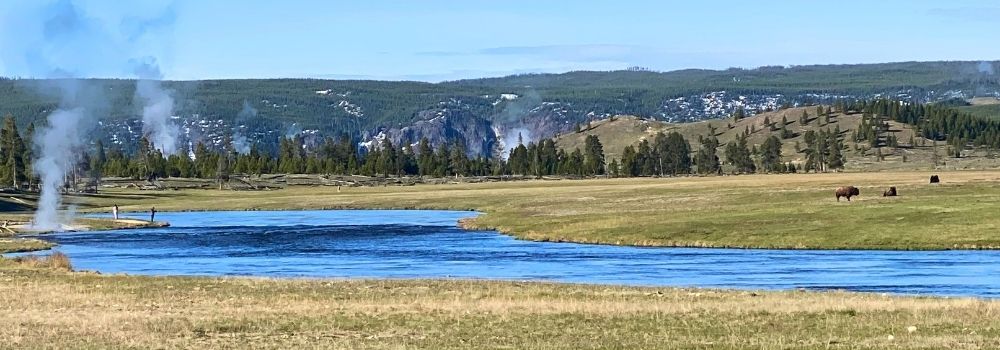
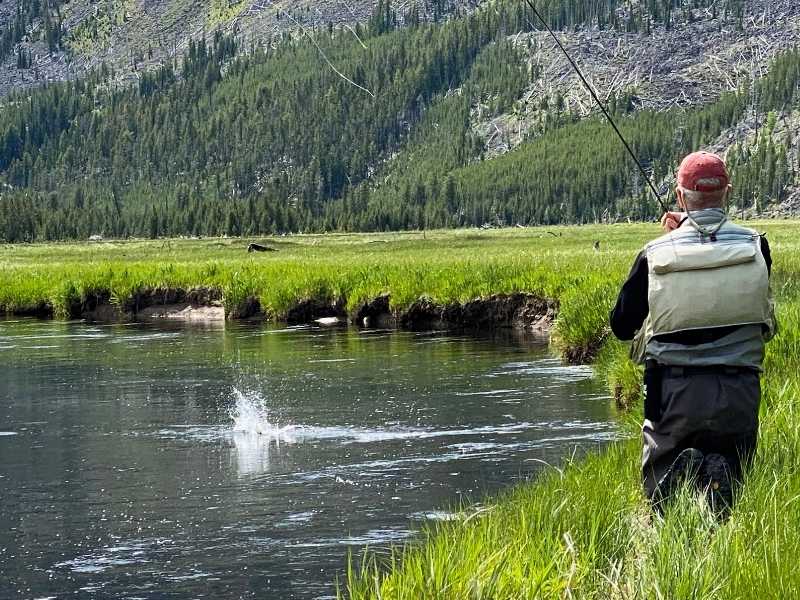
Steam drifts off the water as you walk the bank, and the smell of sulfur hangs faintly in the air. Off in the distance, a herd of bison moves slowly across the meadow, barely acknowledging your presence. Somewhere in the current, a trout rises—quietly, deliberately—on something you can’t quite identify. You pause, watching, already realizing this isn’t going to be simple.
This is the Firehole River, and it might be the most unusual trout stream in the world.
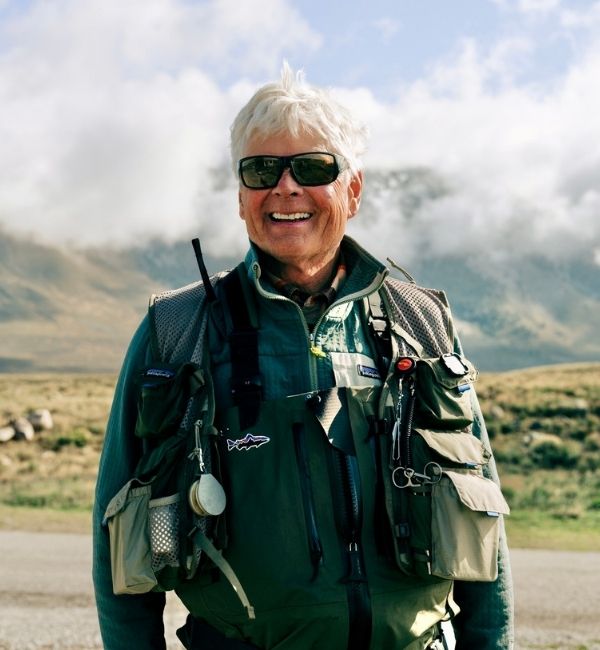
When I sat down with angling legend Craig Mathews, founder of Blue Ribbon Flies, it became clear that this river doesn’t just fish differently—it forces you to think differently. Flowing through Yellowstone’s geothermal basins, surrounded by geysers and fumaroles, the Firehole is shaped as much by heat and chemistry as it is by current and structure. The result is a river where timing shifts, insect life overlaps, and trout behave in ways that challenge even experienced anglers.
Yellowstone Isn’t Just Scenic—It’s Wild
Before we ever get into tactics, Craig brings you back to reality. Yellowstone isn’t just a beautiful place to fish—it’s a wild place to be. Wildlife isn’t something you admire from afar; it’s something you share space with, often closer than you’d prefer.
Craig recalls one moment that says it all, “My oldest daughter and I were back there fishing one evening and we're walking out of the lake, or out of the creek, and here's a monster boar grizzly, raises his head up and charged us four times. And the last time it charged, it threw dirt on us when it spun around.”
It’s the kind of story that sticks with you. On the Firehole, you’re not just tracking rising trout. You’re aware of everything—the movement in the grass, the sound behind you, the subtle reminder that you’re part of a much larger ecosystem. That awareness changes how you experience the river, and maybe even how you fish it.
A River That Doesn’t Follow the Rules
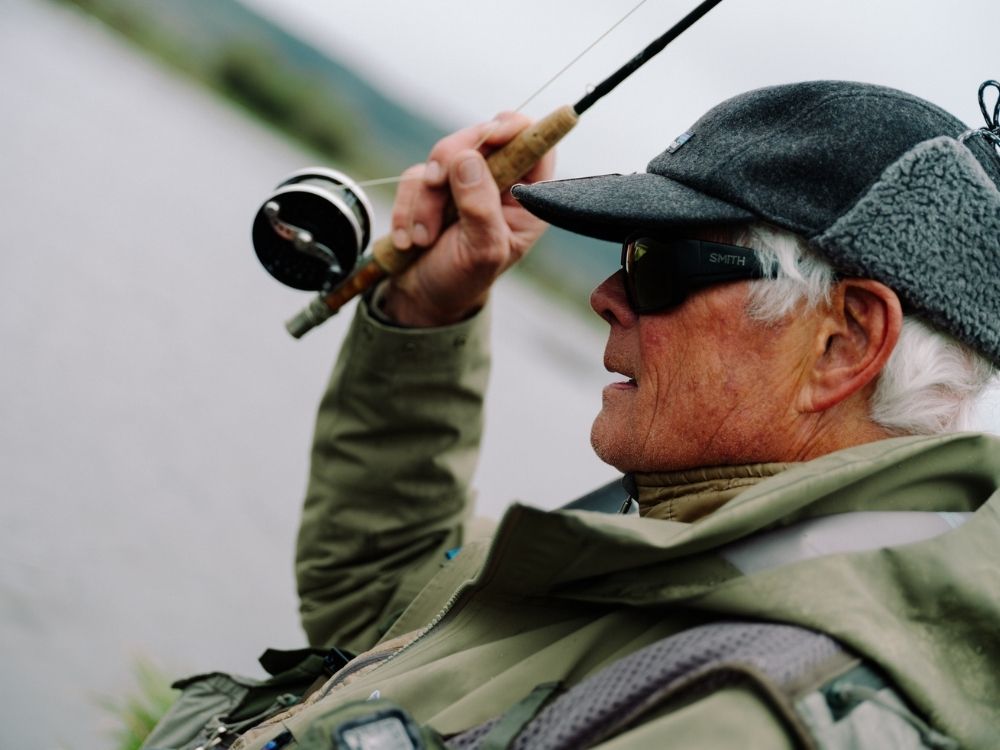
What makes the Firehole so compelling is how quickly it breaks the patterns most anglers rely on. Because of its geothermal influence, the river warms earlier in the season, and that shift sets off a cascade of changes. Hatches come sooner, overlap more frequently, and create a level of complexity that’s hard to predict.
Craig explains it in a way that captures the challenge, “You’re liable to have three fish, each on a different hatch.” That’s the moment things click. This isn’t about finding the hatch—it’s about finding what that one fish is doing. It forces you to slow down, observe carefully, and resist the urge to rush through water. Every rise becomes a clue, and every missed take becomes part of the puzzle.
The Real Challenge: Precision and Drag
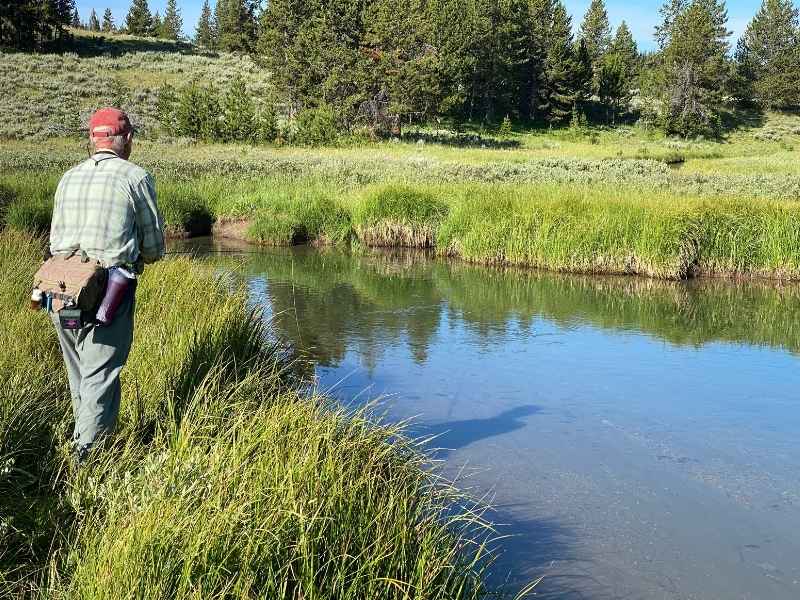
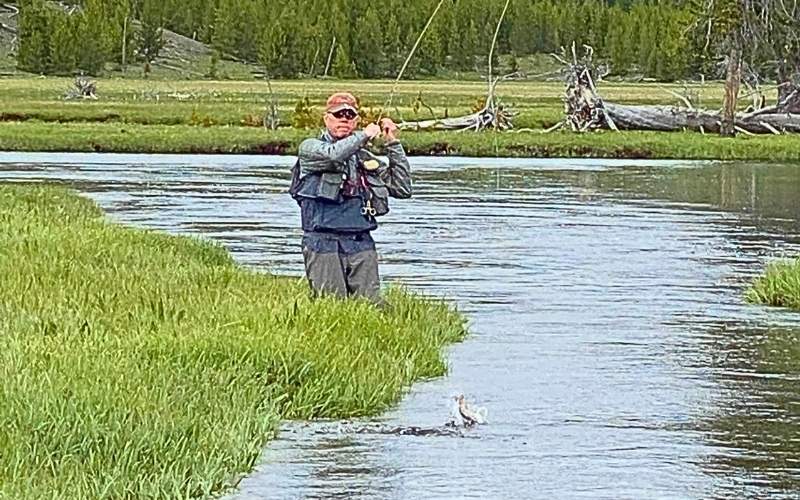
If there’s one thing the Firehole demands, it’s precision. These trout aren’t forgiving, and they aren’t willing to move far to eat. They hold in narrow feeding lanes, waiting for food to drift exactly where they expect it. Craig puts it plainly, “They’re so sensitive to all the myriad currents … and they will not take drag.”
On many rivers, you can get away with a slightly imperfect drift. Here, you can’t. Even the slightest unnatural movement is enough to turn a fish away. Craig says, “So you have to get close to fish and defeat drag” It changes your entire approach—where you stand, how close you get, how much line you carry, and how carefully you manage your presentation.
And it goes even further than that. “Sometimes they won’t move an inch.”, says Craig. That means your fly has to come to them, perfectly, in the right lane, at the right speed. Long casts and aggressive coverage don’t help. Instead, success comes from getting closer, thinking more deliberately, and treating each fish as its own problem to solve.
From a Leap of Faith to Blue Ribbon Flies
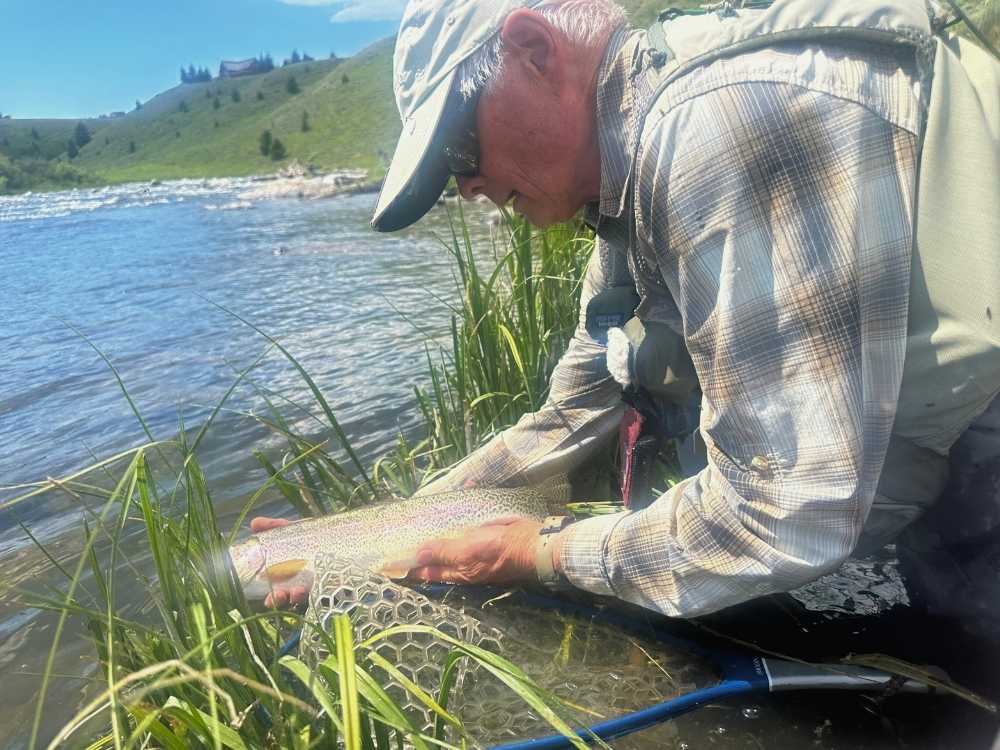
Some of the most compelling parts of this conversation have nothing to do with flies or technique. Craig shares how he and his wife made the decision to move to Yellowstone—a spontaneous leap that would shape the rest of their lives.
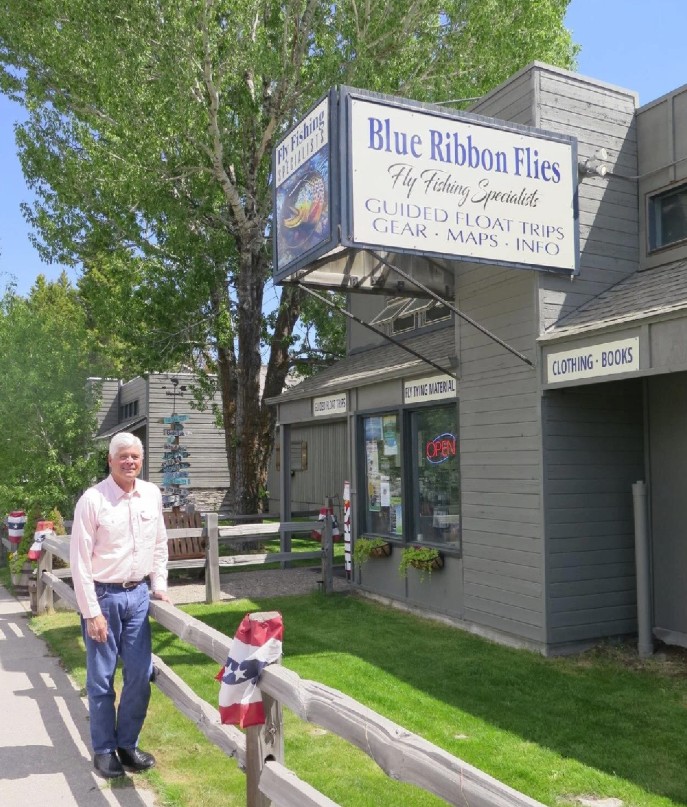
That decision eventually led to the creation of Craig’s famous fly shop Blue Ribbon Flies, in West Yellowstone, but not in the way you might expect. What began as a wholesale fly-tying operation grew over time into one of the most respected fly shops in the country. The path wasn’t linear, and it certainly wasn’t predictable, but it reflects something deeper about both Craig and the sport itself: sometimes the best things come from taking a chance and figuring it out as you go.
One Fish, Nineteen Days
And then there’s the story you’ll want to stick around for.
Craig spent 19 days fishing to a single rising trout on the Firehole. Day after day, he returned, adjusting his approach, changing flies, working through the puzzle. When he finally hooked the fish, it turned out to be a 9½-inch brown trout—hardly a trophy by most standards.
But for Craig, it was something else entirely. “The trophy of the year.” That story captures the essence of the Firehole and Craig's personality. It’s not about size or numbers. It’s about patience, persistence, and the satisfaction of finally getting it right.
Why the Firehole Stays With You
There are plenty of great trout rivers in the West, but very few combine scenery, wildlife, and technical challenge in quite the same way. The Firehole forces you to slow down, observe, and think more carefully about every decision you make.
It’s a river that humbles you, teaches you, and keeps you coming back—not because it’s easy, but because it isn’t.
🎧 Listen to the Full Episode
This blog only scratches the surface of what Craig shares in this episode. To hear the full conversation—including more stories, tactics, and insights from Yellowstone’s Firehole River:
If you’re enjoying the show, share it with a fishing buddy—and head over to the website for the companion blog, where I highlight the best moments from each episode and share a few extra photos.
Cracking the Code on Penns Creek: Lessons from World Champion, Tess Weigand