New England’s Best Kept Fly Fishing Secret? The Upper Connecticut River
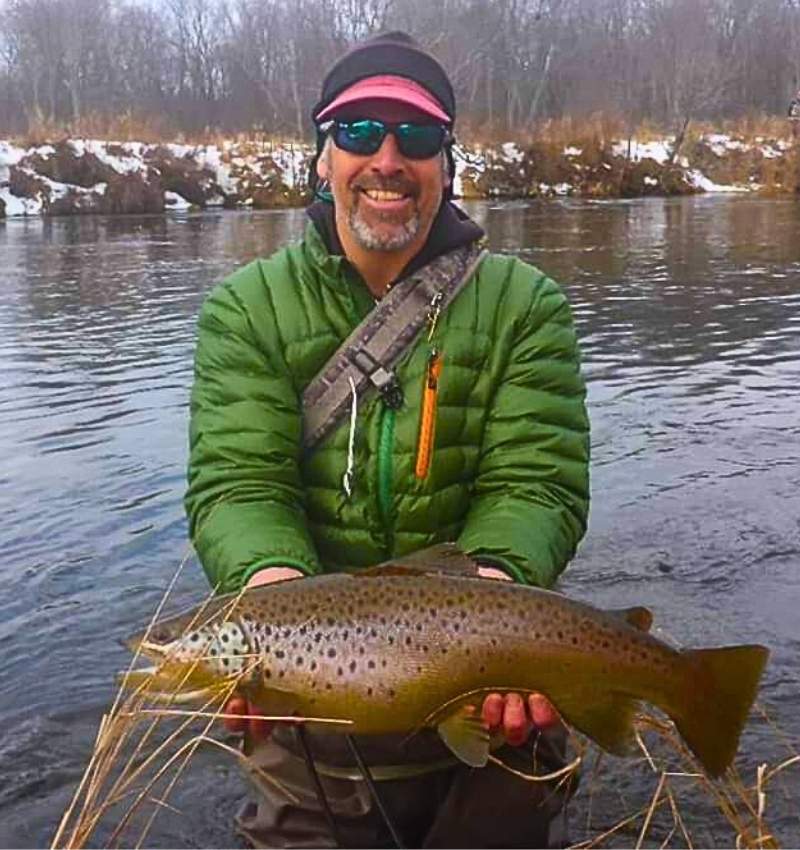
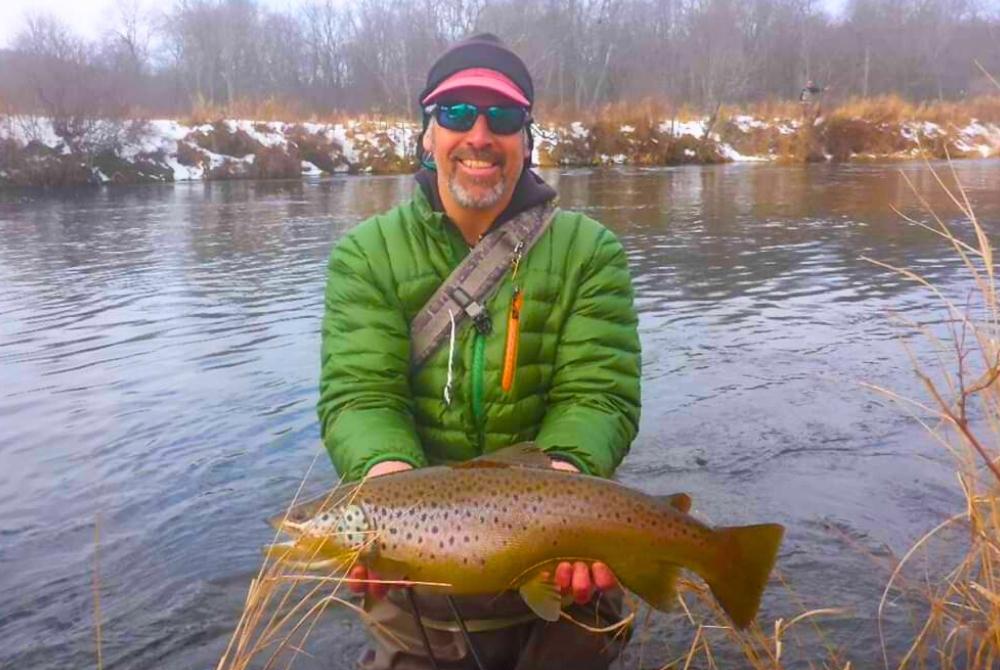
The Upper Connecticut River near Pittsburg, New Hampshire may be one of the most overlooked fly fishing destinations in the Northeast. With miles of cold tailwater, wild brook trout, brown trout, rainbow trout, and landlocked landlocked salmon, this remote fishery offers a surprising mix of species and access. In this episode of the Destination Angler Podcast, veteran guide Bill Bernhardt of Points North Outfitters explains why the Upper Connecticut River quietly delivers some of the most consistent trout and landlocked salmon fishing in New England.
A River That Starts Smaller Than You’d Expect
When most anglers hear “Connecticut River,” they picture a big historic river flowing past places like Hartford or Springfield. What they don’t picture is where the river actually begins.
Up along the Canadian border in northern New Hampshire, the Connecticut starts at Fourth Connecticut Lake. When the water leaves that lake, the “river” is barely a river at all—only a few feet wide and shallow enough that you could hop across it in places. From there it flows through a chain of lakes before slowly gathering volume and character as it winds south toward the town of Pittsburg.
Guide Bill Bernhardt has spent decades fishing this region and still enjoys describing that transformation. “When the Connecticut River comes out of Fourth Lake,” he told me, “it’s maybe four or five feet wide and only a few inches deep. You could practically step across it.”
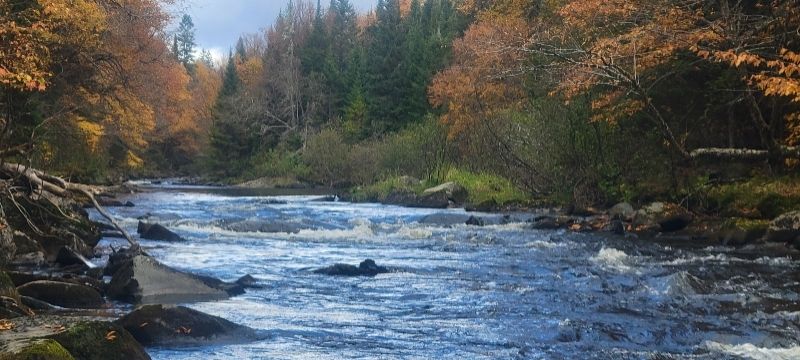
By the time anglers encounter the river near Pittsburg, it has become something entirely different—a winding trout river with long runs, undercut banks, and meadow bends that seem built for fly casting. And the landscape around it makes the whole experience feel even more remote.
A Corner of New England That Still Feels Wild
Pittsburg sits at the very northern tip of New Hampshire, where the state touches Canada, Maine, and Vermont. The town covers roughly 300 square miles but has fewer than 900 year-round residents, which makes it feel more like a region than a town.
Forest stretches in every direction, broken by logging roads, small farms, and the occasional remote pond. Wildlife sightings are part of everyday life here, especially if you’re on the road at dusk.
In fact, one stretch of highway north of town has a nickname that tells you almost everything you need to know about the area. Moose Alley. Bernhardt says the name isn’t exaggerated. “Back in the day it wasn’t uncommon to drive up there in the evening and see a dozen moose,” he said. “People would literally just go out for the night and look for moose.”
It’s that kind of place—quiet, spacious, and just wild enough to feel a little different from the rest of New England.
A Mixed Fishery That Surprises People
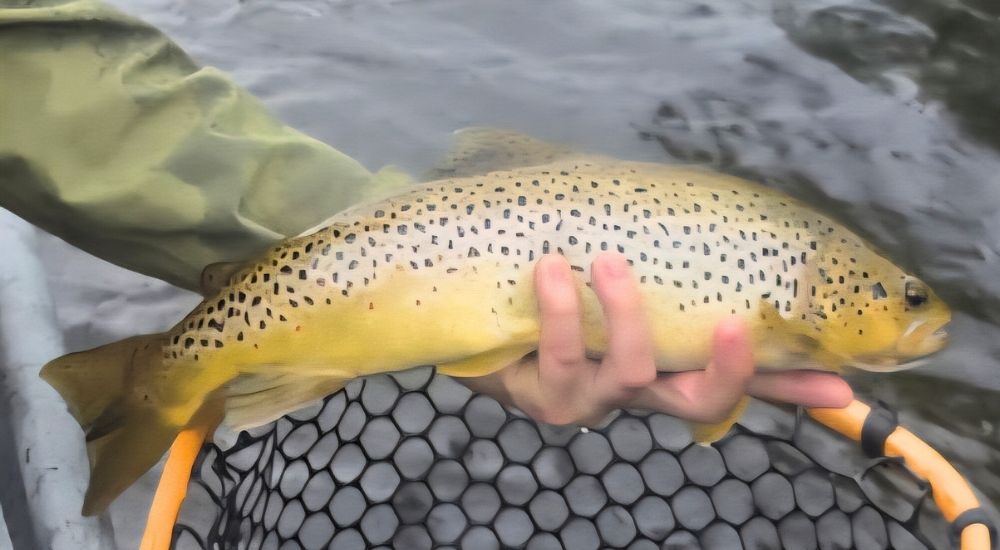
Many first-time visitors assume the Upper Connecticut is mainly a brook trout river. Brookies are certainly here, and some of the tributaries and ponds hold beautiful wild fish, but the river system is far more diverse than most anglers expect.
Depending on where you fish, you might encounter brook trout, brown trout, rainbow trout, or landlocked landlocked salmon during the same outing. Those landlocked salmon are one of the river’s biggest surprises. They migrate out of the lakes and into the river during seasonal runs, and when they grab a fly the result is often immediate chaos. Bernhardt described it in a way that immediately got my attention. “When you hook them they’re airborne almost right away,” he said. “A sixteen- or eighteen-inch landlocked salmon on a five-weight rod is just a blast.”
For anglers who have never hooked an landlocked salmon in a river setting, it’s the kind of experience that sticks with you. But figuring out when those fish move through the system—and where they tend to show up—is something Bernhardt explains in much more detail in the episode.
A River That Changes Through the Season
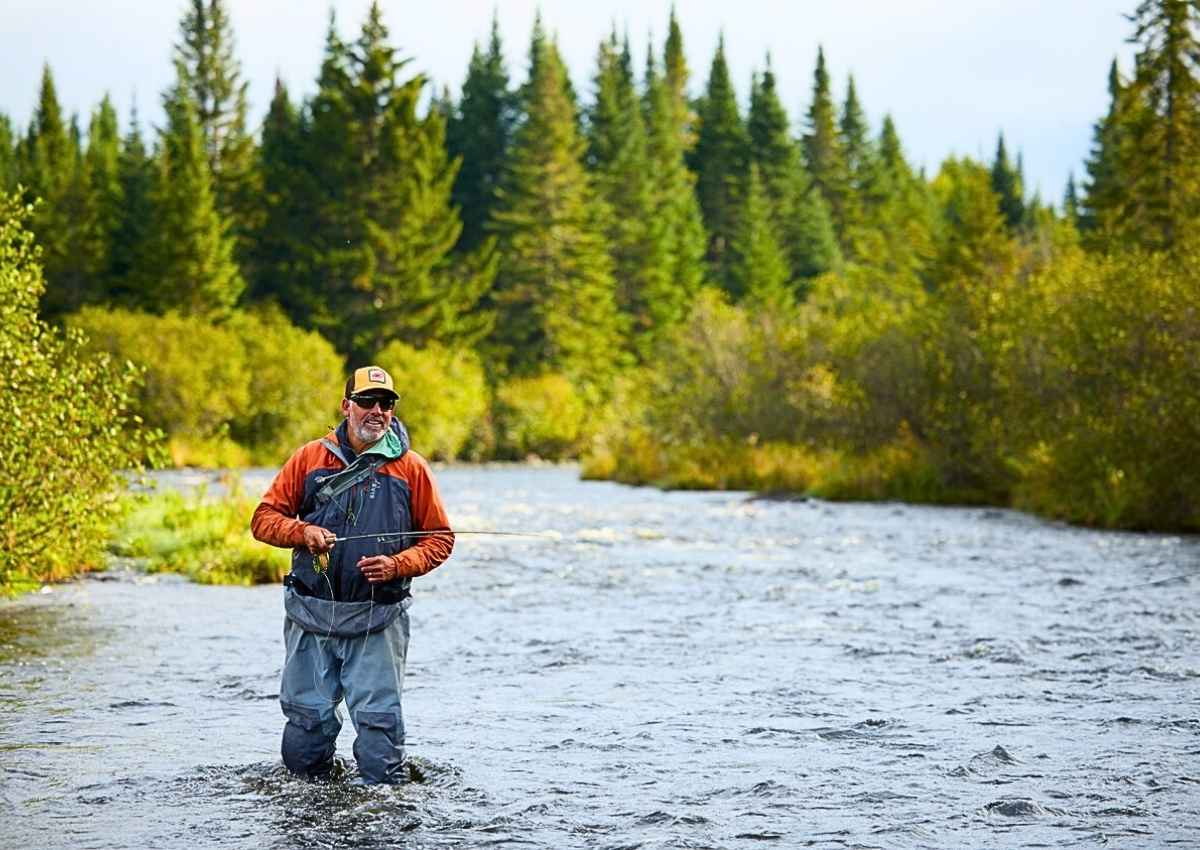
The Upper Connecticut behaves less like a single river and more like a collection of fisheries layered together. Some sections flow below dams and behave like classic cold tailwater. Other stretches feel more like freestone rivers with riffles, seams, and pocket water. Scattered through the surrounding forests are remote ponds and tributaries that create even more opportunities for anglers willing to explore.
Because of those differences, the fishing evolves throughout the season. Spring often begins with anglers targeting landlocked salmon feeding near the lakes shortly after ice-out. As the water warms toward the 50-degree mark, trout become more active and the hatch season begins with blue-winged olives, Hendricksons, and caddis.
Later in the summer the river flows through meadow sections where terrestrials come into play. Ants, beetles, and other land-based insects frequently bring trout to the surface and create surprisingly good dry-fly fishing. And somewhere in there, there’s a hatch that keeps anglers out long after dark—but that’s a story best told in the episode.
Miles of Water and Room to Roam
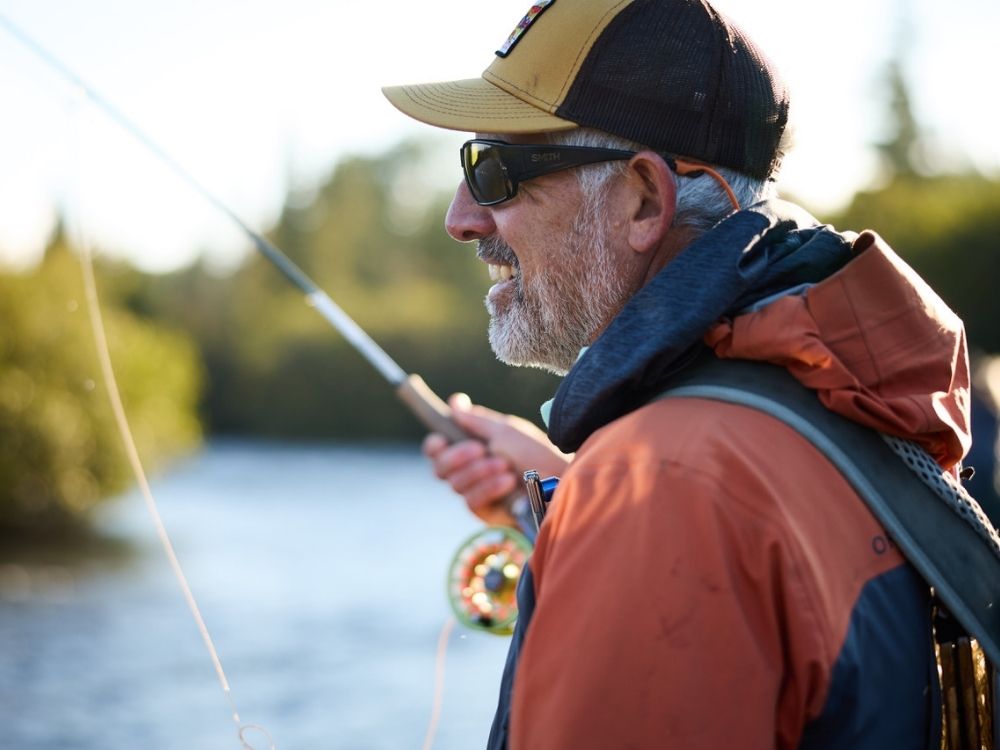
One of the most surprising things Bernhardt shared during our conversation was just how much water anglers have available. He estimates that there are 40 to 50 miles of trout water accessible in the upper river alone. Much of it is reachable through public access points and trails along the river corridor.
Even when several anglers show up at the same parking area, the river tends to spread people out quickly. “You might see five or seven cars in the lot,” Bernhardt said. “But people spread out. Walk a couple hundred yards and you’ll usually find water to yourself.”
In today’s fly fishing world, that’s becoming increasingly rare.
Wait… Did That Moose Just Start Swimming Toward Us?
One of the best stories Bill tells in the episode actually has nothing to do with trout. It starts when he makes a moose call while fishing a stretch of river between the lakes. A young bull hears it and decides to investigate.
At first the moose simply walks toward the river. Then it starts crossing. And suddenly Bill realizes the animal may actually swim the whole way across. “I looked at my guest and said, ‘How fast do you think you can get up that trail?’”
The rest of the story involves yelling, splashing water, and a moose that came a lot closer than anyone expected. You’ll have to hear the episode to find out how it ends.
Why This River Still Flies Under the Radar
With miles of fishable water, multiple trout species, and seasonal runs of landlocked salmon, it’s natural to wonder why the Upper Connecticut River isn’t better known. Part of the answer is geography. Pittsburg sits far enough north that it’s easy for traveling anglers to overlook. Another part is that the fishery doesn’t revolve around one famous hatch or one iconic stretch of water.
Instead, it rewards anglers who enjoy exploring a system—drifting different sections, walking farther down the trail, or trying techniques that might not be part of their usual routine. That’s exactly the kind of fishing Bernhardt enjoys, and it’s why the conversation in this episode ranges from salmon runs to fly patterns to unexpected wildlife encounters.
Listen to the Full Episode
In this episode of the Destination Angler Podcast, guide Bill Bernhardt of Points North Outfitters shares:
Why the Upper Connecticut River fishes differently from other New England rivers
When landlocked salmon move into the system
The fly patterns he relies on most for trout and salmon
A close encounter with a moose that nearly swam across the river
If you enjoy discovering lesser-known fly fishing destinations, this conversation is a great place to start.
👉 Listen to the full episode here:
https://www.destinationanglerpodcast.com/new-englands-best-kept-fly-fishing-secret-the-upper-connecticut-river/
Brook Trout Heaven or Hype? Maine’s Rapid, Kennebago, and Magalloway Rivers